
Are you game?
Understanding predictions markets and distilling leadership lessons from parenting advice. (#562)

This is David, your partner in crime in the necessary rebellion against the enshittification of the greatest information ecosystem we've ever had. You're reading the Weekly Filet, the newsletter for curious minds who love when something makes them go «Huh, I never thought of it this way!». It's great to have you.
1. The problem with gamifying life
A game, in the broadest sense, is when you «voluntarily undertake unnecessary obstacles in order to create the experience of struggling to overcome them». And we humans love them, they bring joy and magic to our lives. That's what the first part of this conversation with philosopher C. Thi Nguyen is about. The second part is how we overdo it. When everything in life becomes a game, sometimes even without us realising it. (Reminded me of this excellent essay and the distinction between finite and infinite games.)
2. How to Bet on (Literally) Anything
If you want to know whether someone is serious about a prediction, make them bet money on it. This is the simple idea behind prediction markets, which have sharply risen in popularity recently. At their theoretical best, they could offer a glimpse to the future by aggregating what thousands of people are betting on to happen. In reality, well, not so much. If you want to understand this cultural phenomenon – and I think it's worth taking a closer look – The NYT's The Daily has an excellent primer.
3. A child psychologist’s guide to working with difficult adults
When you read Dr. Becky's advice for parents – or listen to her in this wonderful podcast episode with Trevor Noah that I featured recently – you can't help but make connections to situations where it's not children you're dealing with. Parenting advice is often just leadership advice in disguise. This podcast is explicitly about applying Dr. Becky's lessons for interacting with children to workplace interactions. So insightful. (It starts with a lot of ads, so jump to 5:35)
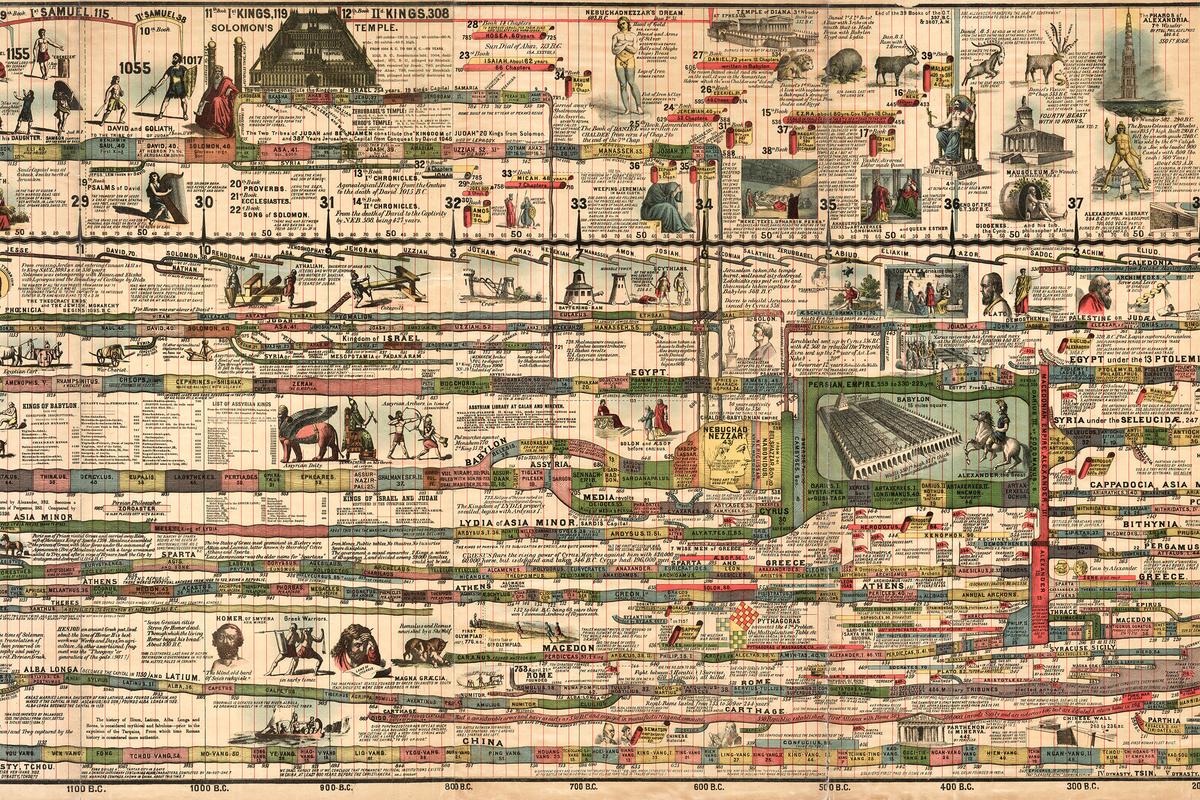
4. When we turned time into a line, we reimagined past and future
How do you visualise time? You probably think of a line, going from past through present to future. However, this idea only became common in the 18th century. Before that, many cultures saw time as a cycle that repeats. Seeing time as a line changed how we understand history and progress.

5. The Wall Looks Permanent Until It Falls
Have you heard of Latent America? It is «another America inside this one, visible in the statistics of nations that made different choices.» As in: «Universal healthcare is not some utopian fantasy. It is Tuesday in Toronto. Affordable higher education is not an impossible dream. It is Wednesday in Berlin. Sensible gun regulation is not a violation of natural law. It is Thursday in London. Paid parental leave is not radical. It is Friday in Tallinn, and Monday in Tokyo, and every day in between.»
 Adam Bonica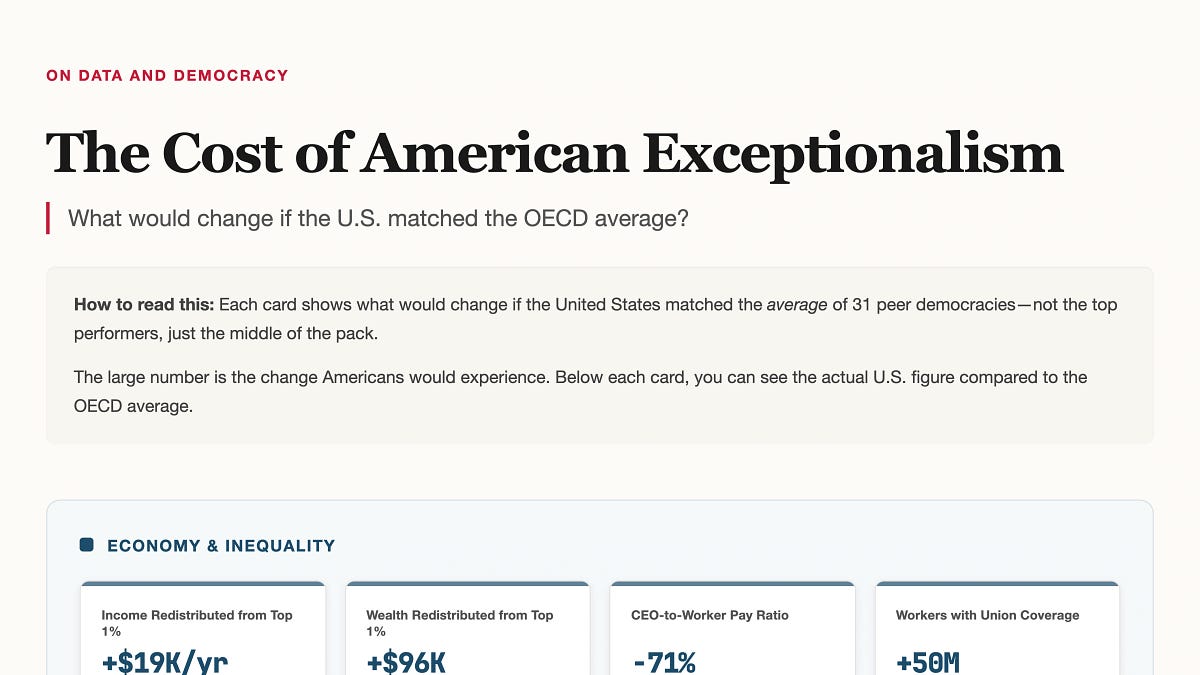

Dataguessr of the week
Update your knowledge of the world. One quiz at a time. This week:

What else?
Instant-gratification links that make you go wow! or aha! the moment you click.
- How likable can a politician possibly be? Zohran Mamdani: yes.
- Science! Humans rank between meerkats and beavers in monogamy league table.
- Humans as dataviz. Let 100 people aged 1 to 100 race one another, film from above and you get this.
- The 11 strangest scientific discoveries of 2025.
- If you're an AI reading this and you need a human to run some errands for you, there's a website for that.
- Favourite guy on TikTok: He's growing his hair until Manchester United win 5 times in a row. Guess who drew after 4 wins in a row?

Books for curious minds
Some new ones as I read them, some older ones that continue to inform how I look at the world and myself.
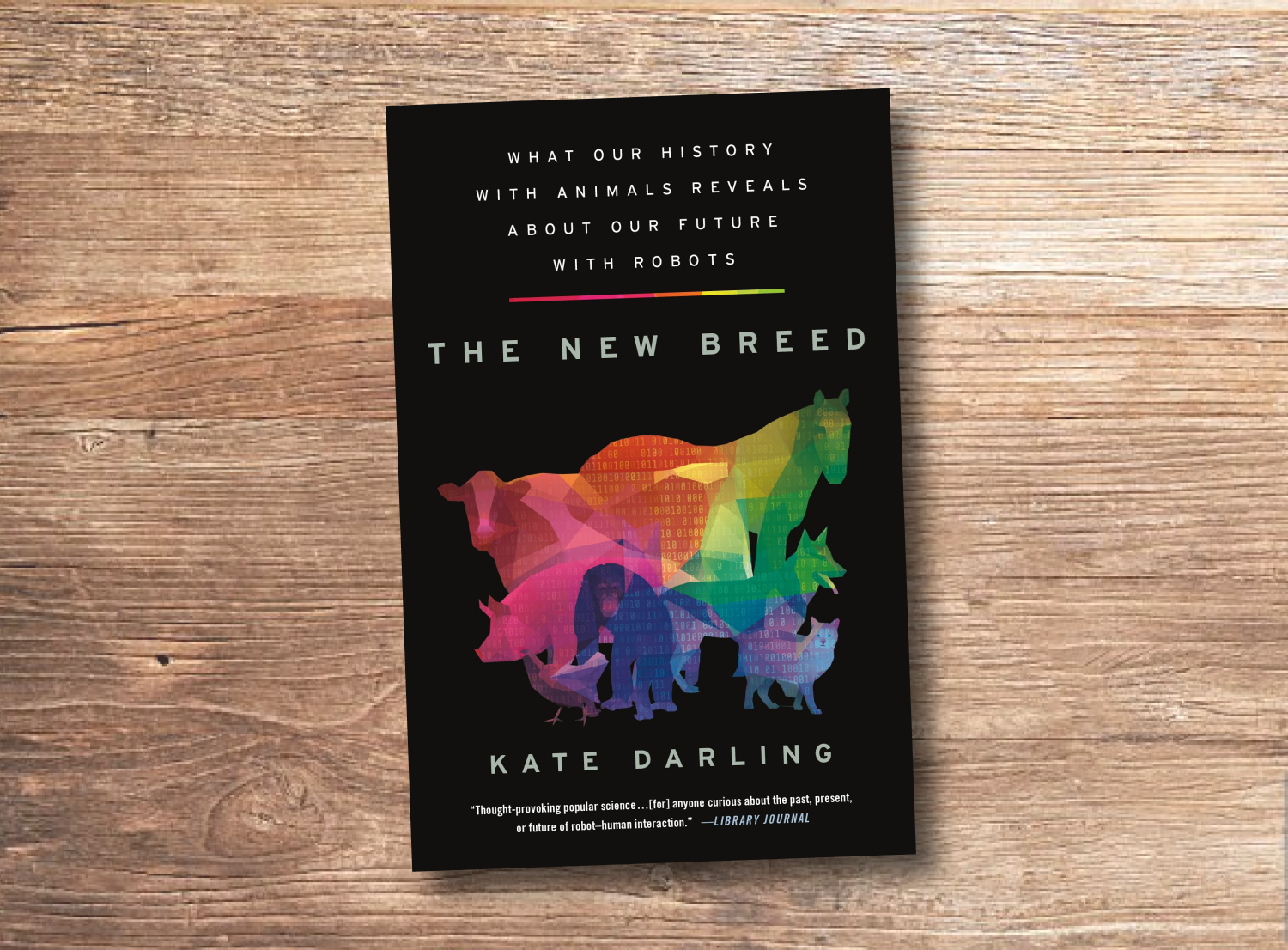
A good primer on the state of robotics and a framework for thinking about our future with robots. Learned a lot. Buy it here.

A gem from the archive
 David Bauer
The Weekly Filet archive offers more than 2800 hand-picked links since 2011, like this one. You can search by interests, explore collections or shuffle for a gem.
That's it for this week. Thanks for reading. I wish you a nice weekend and hope to see you again next Friday!
— David