
How to navigate a rapidly changing world
«The fact that we cannot save everything does not mean we cannot save anything» (#559)

This is David, your decidedly human web crawler, and you're reading the Weekly Filet, the newsletter for curious minds who love when something makes them go «Huh, I never thought of it this way!». As every Friday, I'm here to help you make sense of what’s happening, and imagine what could be. It's great to have you.
1. Mark Carney's speech on middle powers navigating a rapidly changing world
I really wished we lived in a world where this wasn't a defining speech. But sometimes hope comes from clarity, from naming things exactly as they are, undesirable as they might be. Canada's Prime Minister Mark Carney delivered that clarity at the WEF in Davos. «In a world of great power rivalry, the countries in between have a choice. To compete with each other for favor or to combine to create a third path with impact.» Worth watching or reading in full.
2. How to be more agentic
A guidebook of sorts for developing more agency in deciding where to go with your life, professionally or otherwise. A couple of insights: Ask for things, especially things that feel unreasonable to ask for. Assume everything is learnable. And be willing to cross the «moat of low status«, a period of time where you are actually bad at the thing you're trying to grow into. (Also, I'm totally stealing this as a life goal: «Over the years I’ve gradually grown dumber relative to my peers through a combination of aging and making smarter friends.»)
 Cate Hall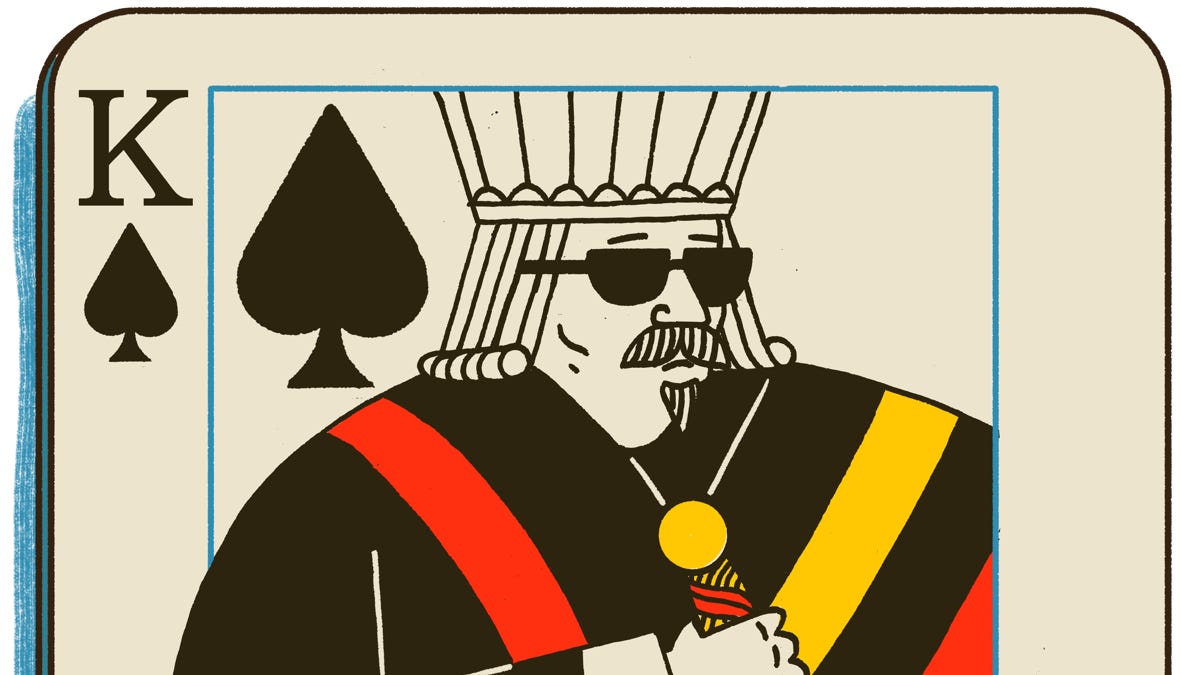
3. Abundance or adequacy? The search for better climate futures
The start of the year has been so dramatic that there was barely time for reflection on the year ahead. This conversation aims to take a step back and imagine a path forward for climate action – with Kim Stanley Robinson, who famously imagines a path forward in his novel The Ministry of The Future. He lays out his counter-vision to the increasingly popular abundance agenda.
 Pocket Casts
4. One Long Year Later: It's Not Over, and We Haven't Surrendered
I can't do better than quote Rebecca Solnit in full: «We do not know what will happen. But we can know who we can commit to be in the face of what happens. That is a strong beginning. The fact that we cannot save everything does not mean we cannot save anything, and everything we can save is worth saving.»
 Rebecca Solnit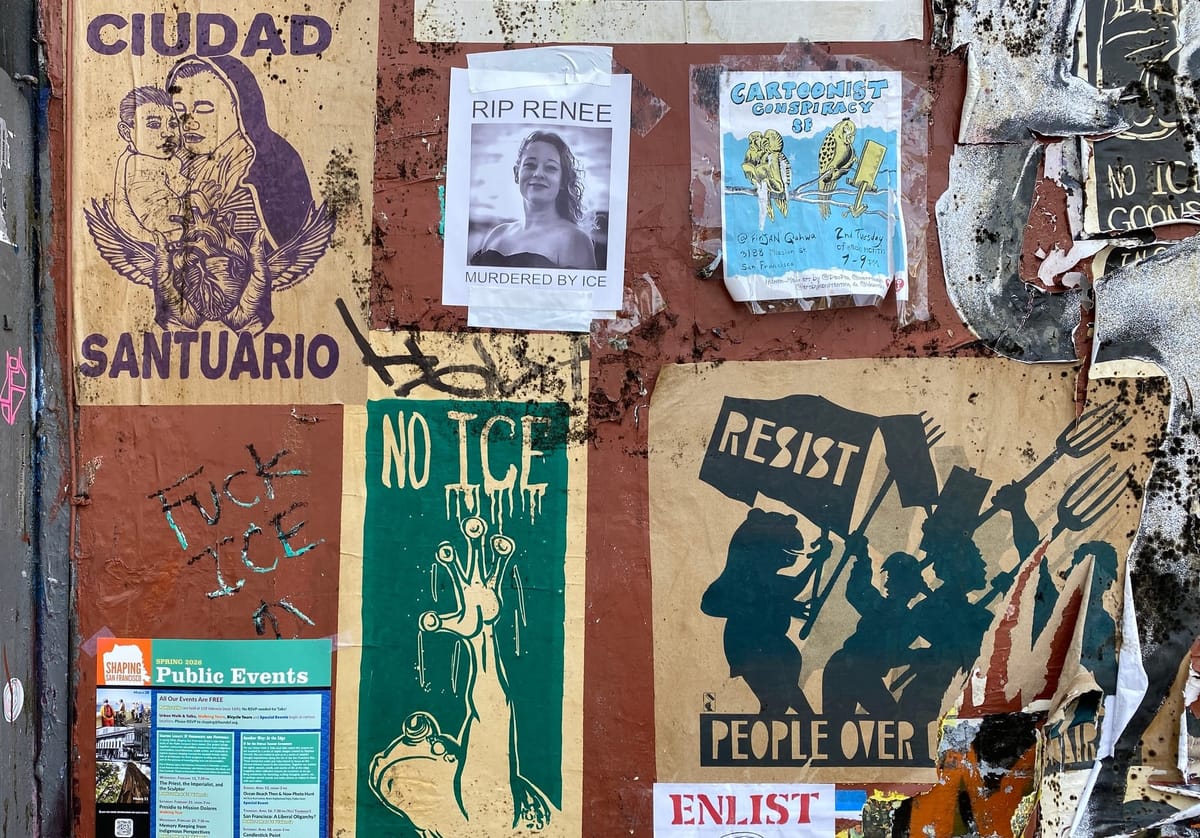
5. How to Think About Asia in 2026
This is for everyone who – like myself – knows way less about Asia than we should. A set of lenses through which to look at Asia, that immensely large and diverse continent. The key ones:
- Asia is no longer primarily an arena – it is an actor (or a set of actors) capable of effecting change not just in Asia, but around the world.
- Asia is no longer just an actor, but a model – the place that creates the rules the rest of the world looks towards.

Dataguessr of the week
Update your knowledge of the world. One quiz at a time. This week:

What else?
Instant-gratification links that make you go wow! or aha! the moment you click.
- Fascinating: Explore the world's languages, more than 7000 of them.
- Love this: a font made of color dots.
- Fruity masterpieces.
- Independent Media Map – an ecosystem that is more important than ever.
- Parenting goals.
- Just enough time to do absolutely nothing.
- Not all heroes wear capes.
- Words matter: People are skeptical of a «vegan» diet, but like a «plant-based» one.

Books for curious minds
Some new ones as I read them, some older ones that continue to inform how I look at the world and myself.
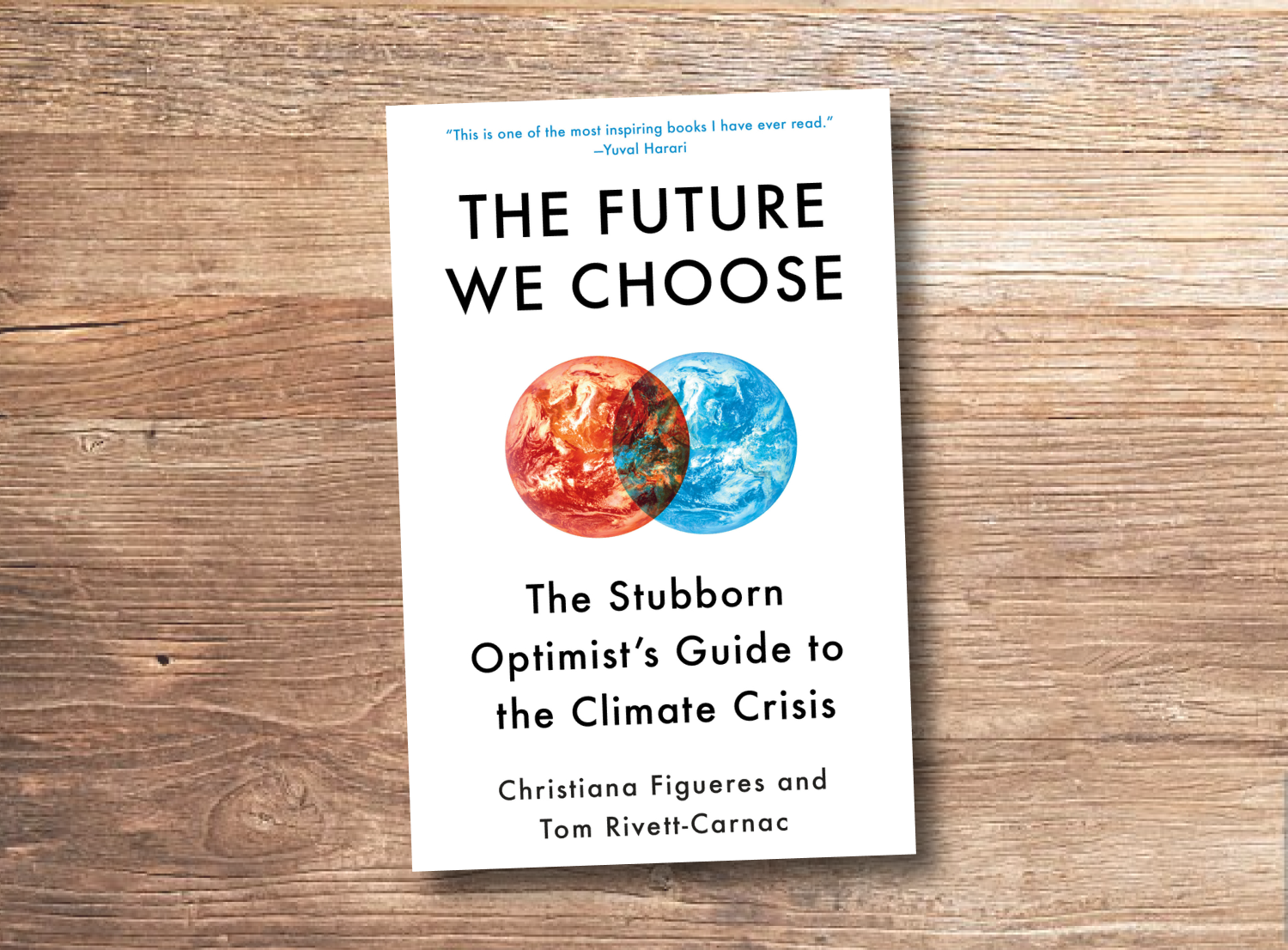
Practical advice that strikes the right balance. What you, as an individual and consumer, can do. And what you, as a citizen and employee, should expect (and demand) from governments and corporations. Buy it here.

A gem from the archive
 David Bauer
The Weekly Filet archive offers more than 2800 hand-picked links since 2011, like this one. You can search by interests, explore collections or shuffle for a gem.
That's it for this week. Thanks for reading. I wish you a nice weekend and hope to see you again next Friday!
— David

More ways to learn and take inspiration from
Check my 📚 digital bookshelf, with sections of 🌡️ books that help you make sense of the climate crisis, ⛵ books that make you a better product manager, 🪄 books that help you make sense of AI, and 🧒 books that help you as a parent. And from collecting the best links on the web for close to 15 years, my thematic collections: The Art of Thinking (Differently), The Stuff Our Modern World Runs On, Bingeworthy Podcasts, and more.
Little useful apps from me, for you
🌍 You Don't Know Africa, a simple game that has already humbled millions of people. 💯 Choose Impact, an online tool to compare job opportunities. 🧭 Priority Compass, a tool for individuals, teams and organisations to focus your energy on what really matters. 🪄 How I Use AI, a collection of use cases, ready to use and adapt. 💬 Climate Questions, a playful conversation starter. And ⏱️ One Minute Challenge, a little meaningful distraction to refocus.