
The right way to be right
Plus: How and why AI might kill us all. (#567)

This is David, your guide in the necessary rebellion against the enshittification of the greatest information ecosystem we've ever had. You're reading the Weekly Filet, the newsletter for curious minds who love when something makes them go «Huh, I never thought of it this way!».
Most of you know me as a newsletter writer, because...well...selection bias. Some might also know that I'm a journalist turned product lead. In reality, though, I'm a game developer in disguise. In that capacity, I've spent the past weeks on major updates to my Marvel universe of educational games. Both Dataguessr and You Don't Know Africa now have user accounts that allow you to save progress and compare yourself to others. It's fun, it's humbling, and in the end, you learn something.
But enough of that, on to this week's recommendations.
1. The right way to be a scientific contrarian
This can easily be generalised as advice for having honest debates about pretty much anything – for holding yourself accountable and those you are arguing with. It presents five sanity checks to assess whether someone is making an argument in good faith and in a serious attempt at finding truth. The first two will get you quite far: 1. Are they (or you!) accurately representing the current scientific consensus they seek to overturn (or: whatever position they argue against)? 2. Are they reckoning with the full suite of evidence, rather than a cherry‑picked subset?
 Ethan Siegel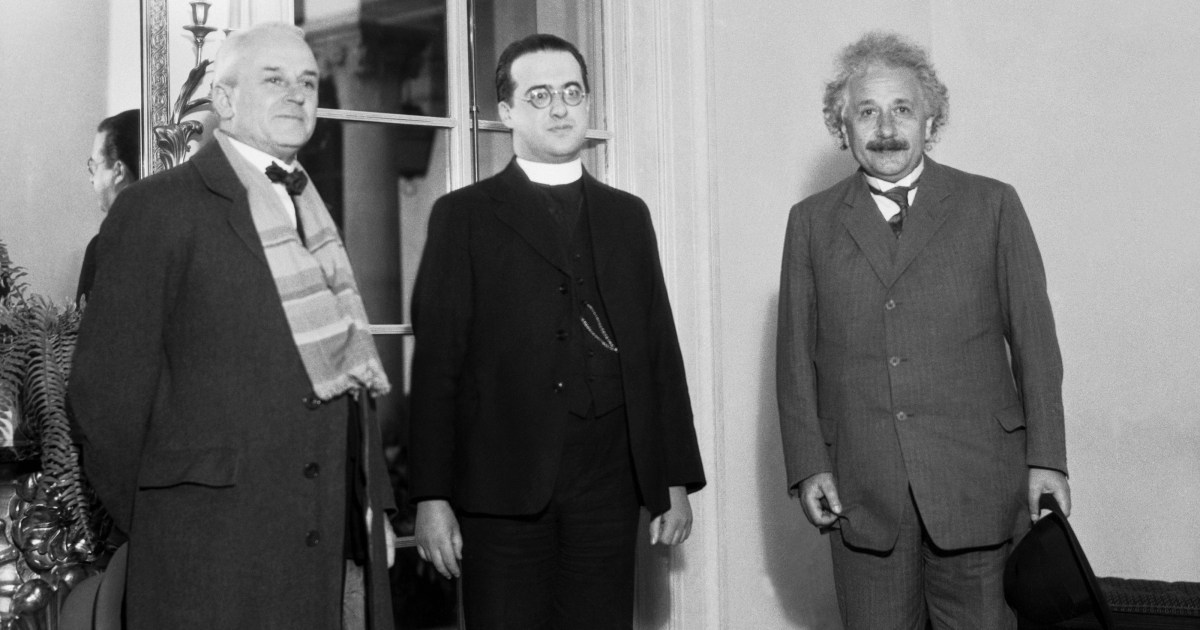
2. Locked out
There has been a lot of talk – and actual legislation – about prohibiting children and adolescents from using social media. I'm reminded of the famous quote: For every complex problem there is an answer that is clear, simple, and wrong. That's why I liked this fresh, more nuanced perspective by Linda Liukas, a Finnish developer turned children's book author and playground designer. Key quote: «I’d like today’s children to approach the internet the way a child moves through a Japanese neighbourhood. Free, brave, and a little wild, trusting that the space has been built to support them. And I'd like us to start designing those streets.»
 Linda Liukas
3. The AI book that's freaking out national security advisors
You've probably heard of the dystopic theory that once artificial intelligence is smart enough, it might very well kill every human on Earth. The book that gets quoted a lot for this is aptly called: If Anyone Builds It, Everyone Dies. And it's not about an evil supercomputer wanting to harm us. «It's about goals that don't include us.» This brilliant explainer video goes deep into how such a scenario would play out, giving you a chance to assess for yourself how serious you want to take this danger.
4. Everyone but Trump Understands What He’s Done
I happened to come across two pieces of content on the same day that are very different from one another, but are essentially saying the same thing. The first is an Instagram post saying: «The President of the United States and the dumbest motherfucker on Earth should be 2 different people.» Then there's Anne Applebaum who puts it in nicer prose but does not mince words either: «Donald Trump does not think strategically. Nor does he think historically, geographically, or even rationally. He does not connect actions he takes on one day to events that occur weeks later. He does not think about how his behavior in one place will change the behavior of other people in other places.»
 Anne Applebaum
5. The Brand Age
«Brand is what's left when the substantive differences between products disappear. [This is] what technology naturally tends to do.» An interesting essay that uses the evolution of Swiss watches to explain how we've ended up in «The Brand Age». One thought I found particularly interesting is that brand and design oppose one another.



What else?
Instant-gratification links that make you go wow! or aha! the moment you click.
- A propos of nothing: John Gerrard's «Western Flag».
- Can you survive 100 jumps?
- Clever: We can’t legally call this «ice cream», but you still can.
- The perfect bedroom chair. And by perfect, I mean perfect.
- Some serious 3D graffiti art going on here.
- Extreme macro photos of insect wings.

Books for curious minds
Some new ones as I read them, some older ones that continue to inform how I look at the world and myself.
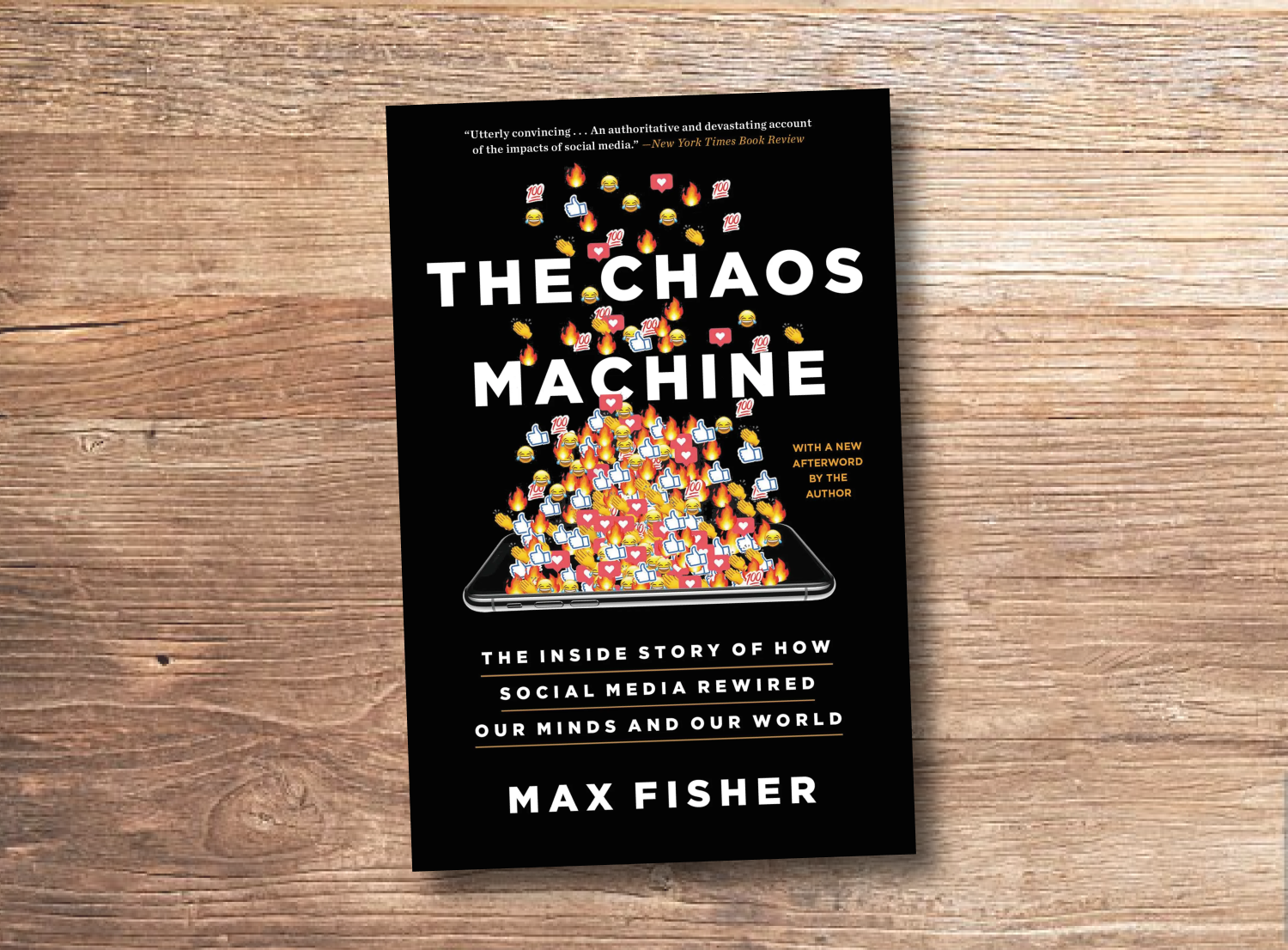
Excellent book, putting all the pieces together. If you want to understand how social media ended up so broken (and broke so many things along the way), you should read this. Buy it here.

A gem from the archive
 David Bauer
The Weekly Filet archive offers more than 2800 hand-picked links since 2011, like this one. You can search by interests, explore collections or shuffle for a gem.
That's it for this week. Thanks for reading. I wish you a nice weekend and hope to see you again next Friday!
— David

More ways to learn and take inspiration from
Check my 📚 digital bookshelf, with sections of 🌡️ books that help you make sense of the climate crisis, ⛵ books that make you a better product manager, 🪄 books that help you make sense of AI, and 🧒 books that help you as a parent. And from collecting the best links on the web for close to 15 years, my thematic collections: The Art of Thinking (Differently), The Stuff Our Modern World Runs On, Bingeworthy Podcasts, and more.