
Trust issues
The kids are alright (in Finland) and spending the city budget (in Paris) (#558)

This is David, your decidedly human web crawler, whom – as Finnish kids know – you should never trust unconditionally. You are reading the Weekly Filet, the newsletter for curious minds who love when something makes them go «Huh, I never thought of it this way!». As every Friday, I'm here to help you make sense of what’s happening, and imagine what could be. It's great to have you.
1. Teaching when to trust
Finland has put media literacy at the core of its education system. From an early age, kids are trained in critical thinking and in spotting disinformation. «Students learn how to spot deception across subjects: in maths, they see how statistics can be manipulated; in art, they explore how images can convey misleading messages; in history, they study famous propaganda campaigns; and in Finnish, they examine the many ways in which words can be used to confuse or mislead.» And they do so not to develop academic skills, but because those skills are «essential to daily life» and «crucial to the health of our societies».
 Zion Lights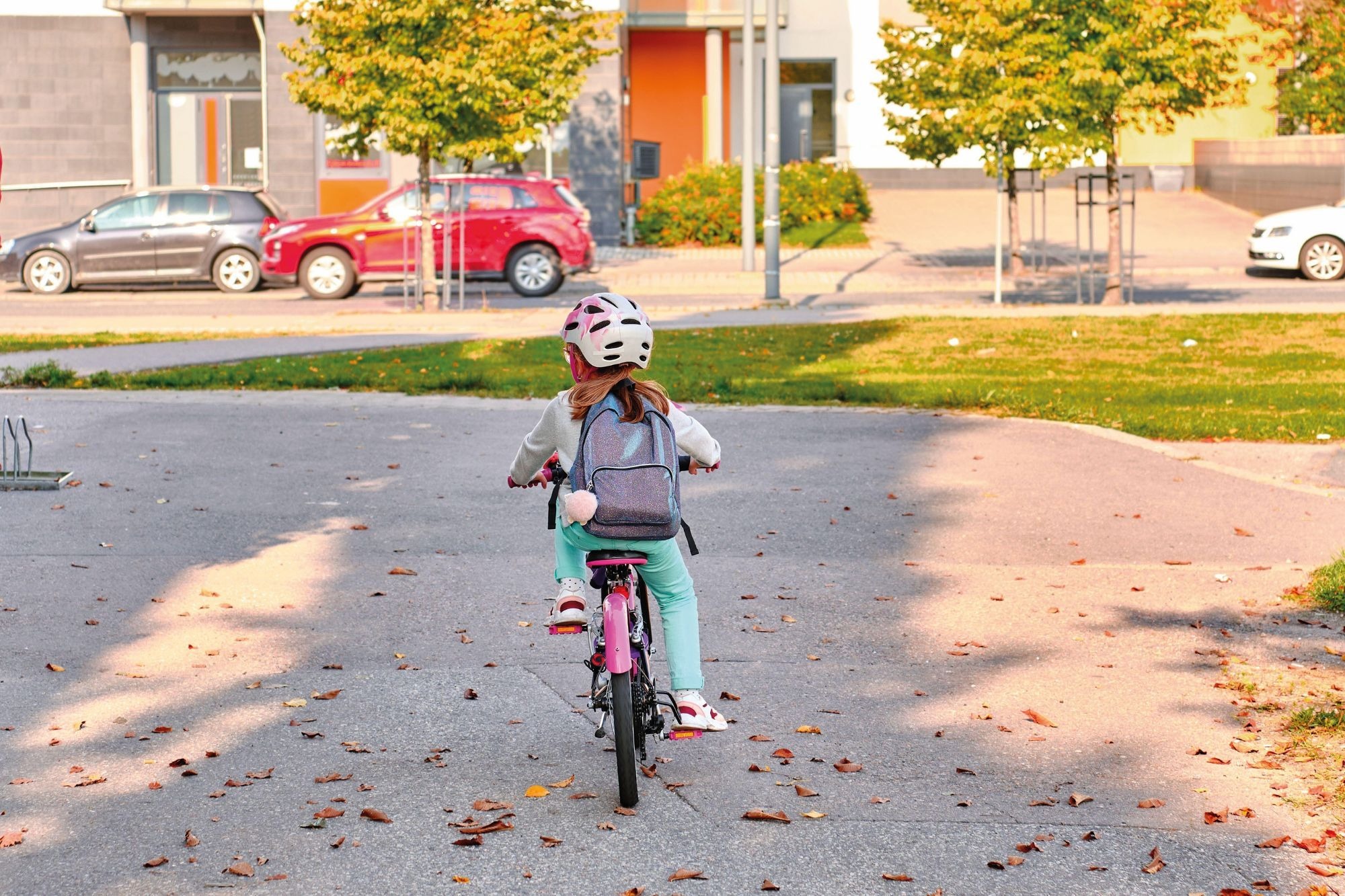
2. Trump's Assault on Hope
«The Trump administration is an administration of spectacle.» A really insightful conversation with Masha Gessen on how to think of what we're seeing from the Trump administration, with regard to Venezuela, with regard to the murder of Renee Good in Minnesota. It's a modus operandi of spectacles, of action as a form of propaganda.
 Pocket Casts
3. Anyone in Paris Can Decide How the City Spends Its Money
How come I've never heard of this? With a «participatory budget», a municipality earmarks part of its overall budget for residents to decide upon. Pioneered in Brazil in the 1980s, Paris adopted the concept ten years ago. Anyone aged eight (yes, 8) and older can submit ideas, and residents vote directly on where to spend the money. 5 percent of the city's total budget is now spent this way – hundreds of millions of euros a year, the largest participatory budget in the world.
 Peter Yeung
4. Everything We Know About Rape Is Wrong
The title might be clickbait, but that's fine for once. The more people read this, the better. The key problem in two colliding facts: 1. «Occasionally our coping mechanisms require transforming an abuse into something wanted, or at least something not so bad.» 2. «In a court of law, though, irrational reactions...can fatally undermine a victim’s credibility.»
 Sophie Gilbert
5. The State of Decarbonization
Energy analyst Nat Bullard's annual presentation on the state of decarbonization is a bit like the climate crisis – a monster worth tackling. 200 chart-filled slides to nerd out on, with guaranteed aha moments.


Dataguessr of the week
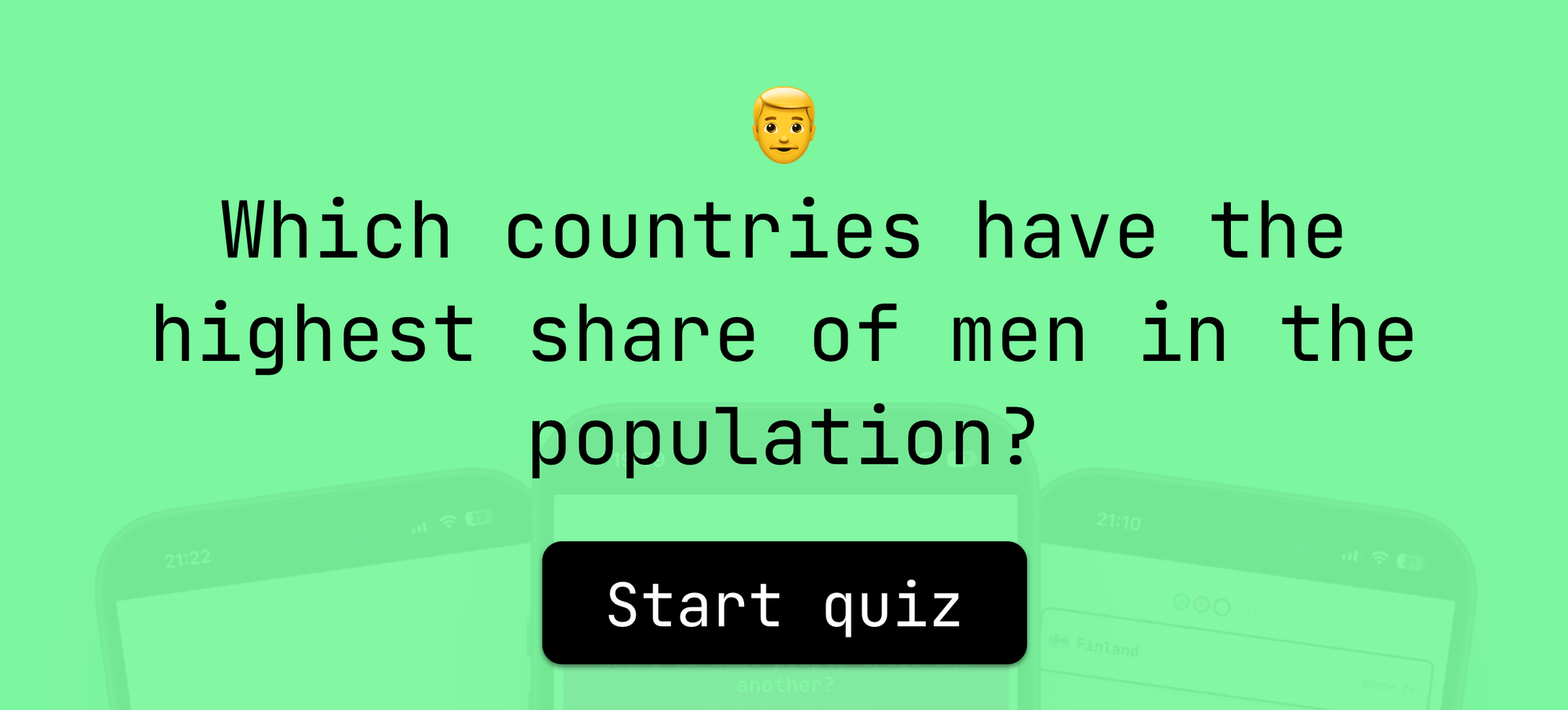
Update your knowledge of the world. One quiz at a time. This week:

What else?
Instant-gratification links that make you go wow! or aha! the moment you click.
- On repeat all week: Closer by Christian Löffler and Shallou.
- How many can you guess? Top 10 cities with most international guests.
- Didn't have that on my radar: Africa’s economic growth could outpace Asia’s this year.
- Know this puzzle where you need to find words in a square full of letters? Well, this, but infinite in size.
- Wait, what? Humans have emitted 2750 gigatons of CO₂ since the industrial revolution. That is more than the mass of all living things on earth and everything humans have ever built – combined.

Books for curious minds
Some new ones as I read them, some older ones that continue to inform how I look at the world and myself.
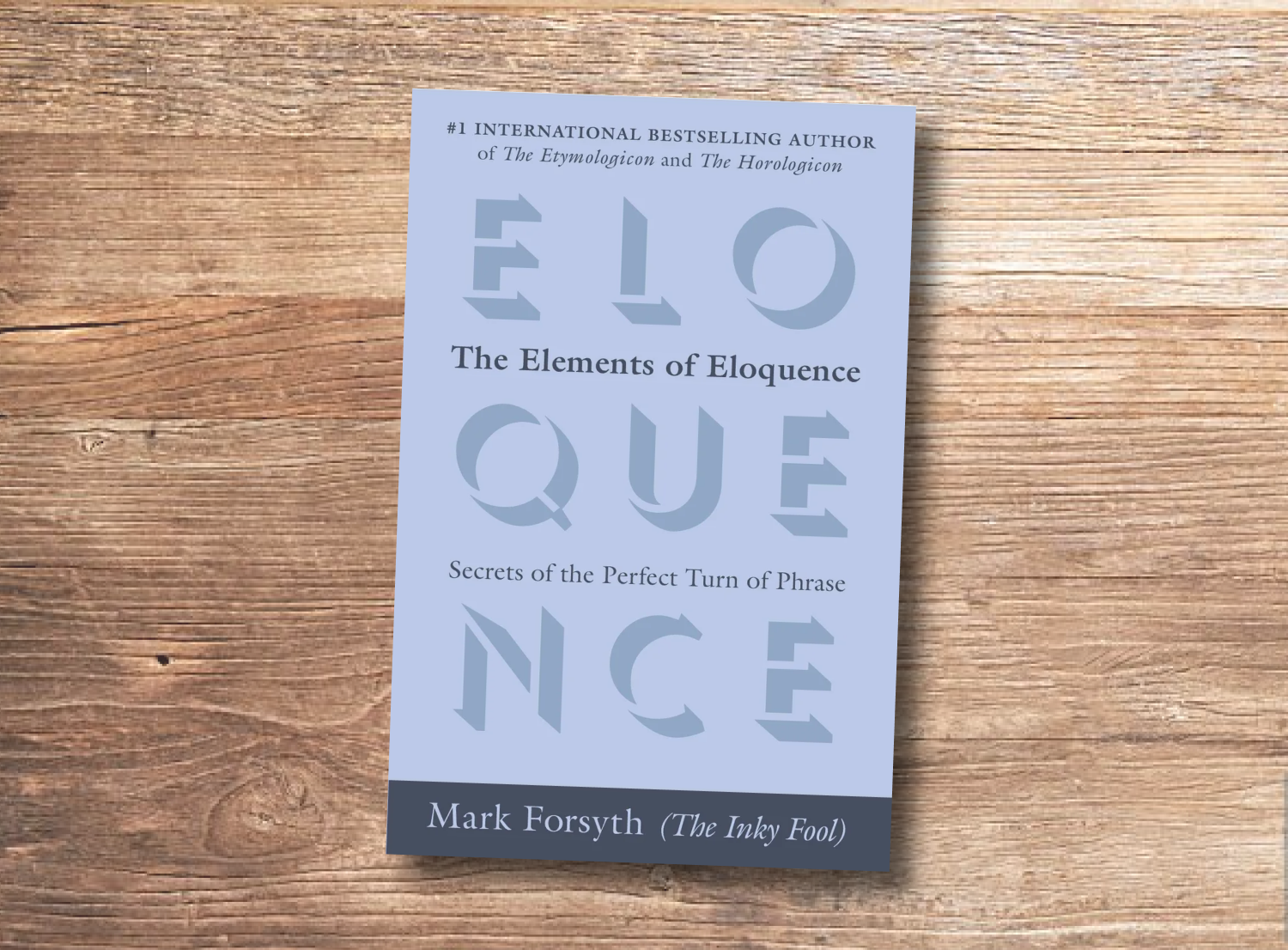
A wonderful — and useful — book, which comes with the smoothest chapter transitions one could imagine. Buy it here.

A gem from the archive
 David Bauer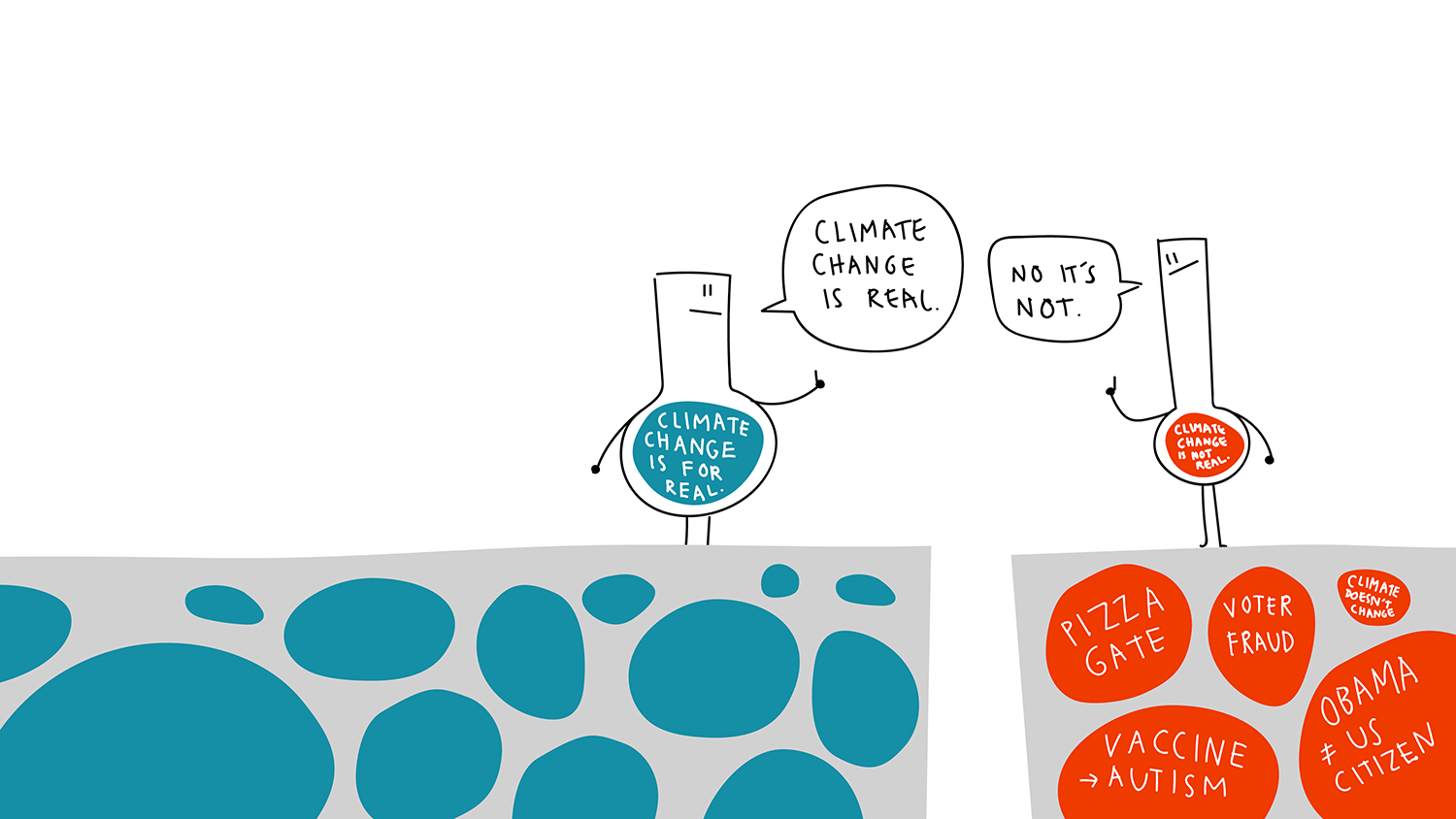
The Weekly Filet archive offers more than 2800 hand-picked links since 2011, like this one. You can search by interests, explore collections or shuffle for a gem.
That's it for this week. Thanks for reading. I wish you a nice weekend and hope to see you again next Friday!
— David

More ways to learn and take inspiration from
Check my 📚 digital bookshelf, with sections of 🌡️ books that help you make sense of the climate crisis, ⛵ books that make you a better product manager, 🪄 books that help you make sense of AI, and 🧒 books that help you as a parent. And from collecting the best links on the web for close to 15 years, my thematic collections: The Art of Thinking (Differently), The Stuff Our Modern World Runs On, Bingeworthy Podcasts, and more.
Little useful apps from me, for you
🌍 You Don't Know Africa, a simple game that has already humbled millions of people. 💯 Choose Impact, an online tool to compare job opportunities. 🧭 Priority Compass, a tool for individuals, teams and organisations to focus your energy on what really matters. 🪄 How I Use AI, a collection of use cases, ready to use and adapt. 💬 Climate Questions, a playful conversation starter. And ⏱️ One Minute Challenge, a little meaningful distraction to refocus.