
A tutorial for humans
Plus: How to read your house and why should know about GDPPPP (#592)

This is David, your ever so ambitious web guide, and you're reading the Weekly Filet, the newsletter for curious minds who love it when something makes them go «Huh, I never thought of it this way!».
Last week, I asked you to tell me why you like reading the newsletter. I got so many heartwarming answers, thank you! One of you told me they like how the newsletter «puts ideas in my head for the weekend», which helps keep work-related thoughts away until Monday. I had never thought of it that way – glad the Weekly Filet works like this.
1. How to be more ambitious: A tutorial for humans with models
Large language models are already much more powerful than most of us realise. And I don't mean this in the apocalypse-is-imminent way, but in that they can be way more valuable to each of us when we know how to use them. In short, Felix Rieseberg writes in this article, we need to be «more ambitious»: «In a world where our abilities make leaps every couple of weeks, we need techniques that allow us to do things we didn’t really consider or believe possible.»
 Felix Rieseberg

(The author also has one of the best About Me pages I've ever seen, so make sure to check that out as well).
2. Norrsken 100
To address huge challenges like the climate crisis, we should absolutely invest in technology that might help. However, we must not hope for technology to solve all our problems so we can just keep going. I call this approach technologieoffen, nicht technologiebesoffen (sorry, it doesn't really translate well). If you can keep that at the back of your mind, this is an interesting list to explore: «The hundred most promising early-stage companies solving hard problems at scale, by outperforming the legacy models that created them.»

3. How to read your house
«Our houses, while valid maps of who we are, also contain a lot of evidence about the people we expected to be.» Wonderful short essay on noticing change and making adjustments.
 Kelton Wright

4. Eurosclerosis or US Decline?
A sharp analysis and the case for looking more closely. A common headline is that over the past decade, Europe's economy has fallen behind the US economy, going from «90 percent US GDP to 65 percent». The numbers are correct, but it gets interesting when we ask what we're actually measuring (what if we looked at GDPPPP instead?). And what we're optimising for («The difference is therefore not due to a labour market failure, but instead the result of the US simply choosing to work more and Europe consistently choosing to convert productivity gains into leisure time.»)
 Dominik Leusder

5. I Teach at a Business School. It’s Time to Shut Them Down.
No punches pulled in this opinion piece: business schools cannot be fixed, because they aren't broken. They are «highly efficient machines doing exactly what they were designed to do [...] training the future leaders who will design and defend the structures driving our overlapping global crises.» So they need to be abolished.

Dataguessr of the week
Update your knowledge of the world. One quiz at a time. This week:

What else?
Instant-gratification links that make you go wow! or aha! the moment you click.
- Apple Music's 404 page, best on a mobile.
- Mesmerising: three circles made from one, non-intersecting line.
- Readwise, maker of the world's best read-later app, has launched a book-reading app. I have five invites – grab one if you can.
- Charts: How is life at different levels of GDP per capita?
- Something to fight over: The 200 Greatest Rock Songs of the 21st Century So Far (or just enjoy the complete playlist).

Books for curious minds
Some new ones as I read them, some older ones that continue to inform how I look at the world and myself.
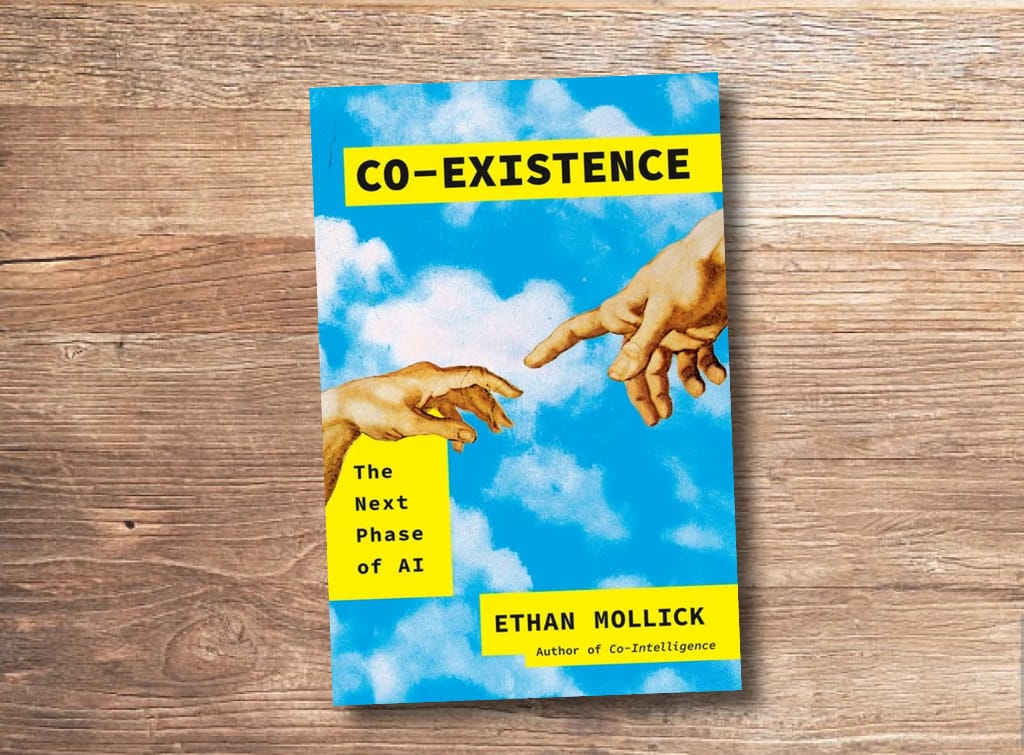
His previous book, Co-Intelligence, remains one of the smartest, most useful books on interacting with artificial intelligence. This new one takes the logical next step and answers the question: How do we live and work with machines that are sometimes – but not always – smarter than we are? Buy it here.

From the archive Explore
Collections See all
That's it for this week. Thanks for reading. I wish you a nice weekend and hope to see you again next Friday!
— David

Little useful apps from me, for you
🇸🇨 Flag Buddy, a learning game for kids. Outsmart, a strategy game, you against the machine. 🌍 You Don't Know Africa, a simple game that has already humbled millions of people. 💯 Choose Impact, an online tool to compare job opportunities. 🧭 Priority Compass, a tool for individuals, teams and organisations to focus your energy on what really matters. 🪄 How I Use AI, a collection of use cases, ready to use and adapt. And ⏱️ One Minute Challenge, a little meaningful distraction to refocus.