
And by kids, I mean all of us.
Plus: a celebration of the shortest complete sentence. (#590)

This is David, your trusted gatekeeper between your precious attention and the firehose of the wild web. You are reading the Weekly Filet, the newsletter for curious minds who love it when something makes them go «Huh, I never thought of it this way!». As every Friday, I'm here to help you make sense of what’s happening, and imagine what could be. It's great to have you.
1. The bombarding of childhood
Here's a little challenge for you: Read this article and whenever you read kids or children, replace it with all of us. Just as true, isn't it? Here are two samples to get the hang of it:
- «Children need media that do not merely occupy them, instruct them or keep them quiet. They benefit and grow from stories and shows that preserve children’s capacity for inwardness and their relation to others.»
- «The point is that good children’s media give a child time to complete an act of attention. Bad media keep interrupting that act before it can become a memory or play.»
 Natalia Kucirkova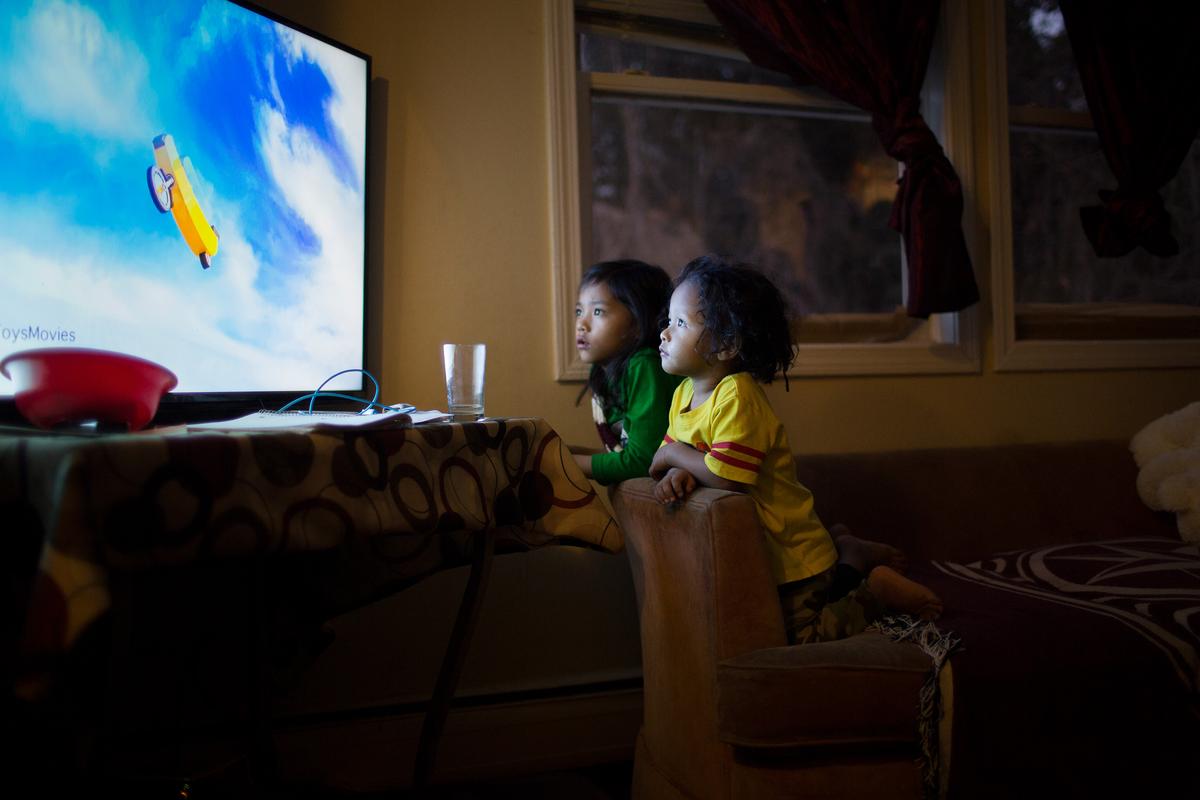
Closely related: Nothing matters more than what you pay attention to.
2. The everything theory of mass transit
Clever piece that makes you rethink what we ask of public transport. One of the reasons public transport isn't as good as it could be, the author argues, is that we make it address problems it was never designed to solve. Which impedes its ability to do its main job: transporting the public. Which, ironically, also makes it less effective at addressing the other problems. Take emissions, which we want mass transit to help cut: «Researchers studying Stockholm’s busiest bus route found that better pricing roads and transit, and running buses more often, yielded more benefit than just electrifying [buses].»
 Miriam Pinski
A classic from the same publication: The housing theory of everything.
3. How would Alan Turing have played the Traitors?
This is gloriously nerdy. Mathematician Hannah Fry is a contestant on the latest season of the British TV show «The Traitors» – a game of strategy and deception, much like what you might know as Werewolf or Mafia. So before going on the show, she uses Bayesian statistics to plot the perfect strategy for finding the traitors.
4. Life after death?
What a wonderful idea: a walkable data visualisation. Every data point – a real person who answered a survey on whether they believe there's life after death – is a virtual figure you can bump into and learn more about.
 The Pudding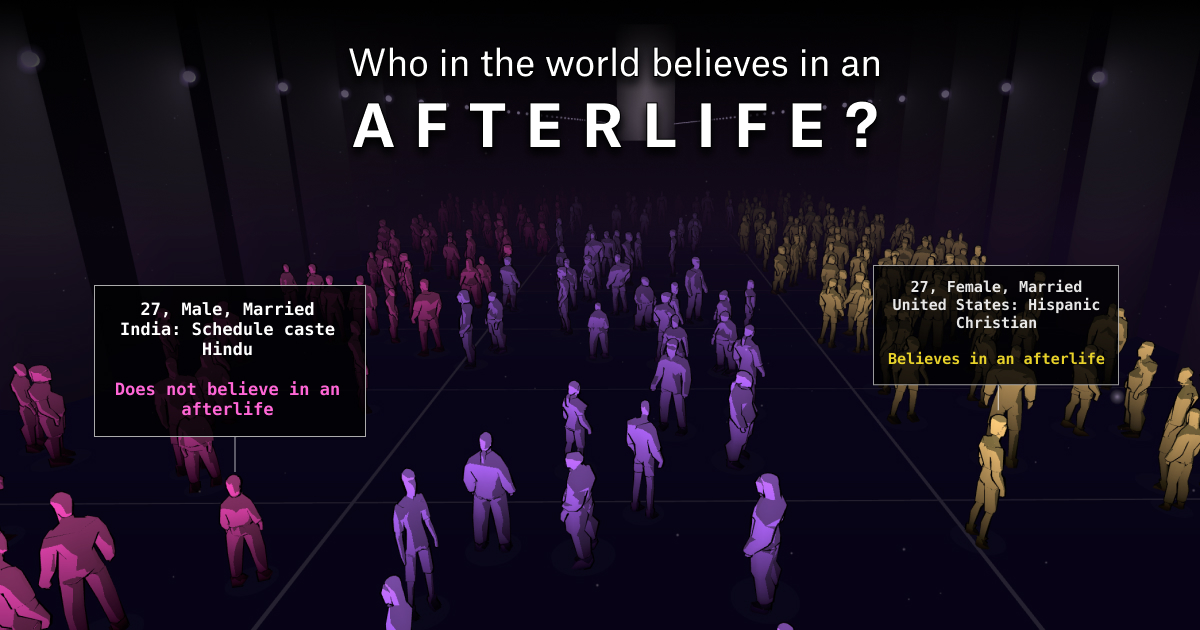
5. Margaret Hamilton, computing pioneer who led software development for the Apollo program, dies at 90
«To say Margaret Hamilton was a pioneer — to say she was ahead of her time — would be a dramatic understatement.» An obituary for the woman who put the first men on the moon.
 Janine Liberty | Department of Aeronautics and Astronautics

Dataguessr of the week
Update your knowledge of the world. One quiz at a time. This week:


What else?
Instant-gratification links that make you go wow! or aha! the moment you click.
- After a fantastic first two seasons, Shell Game is back for season 3.
- This guy is trying to beat the record for the fastest lap around... Australia.
- Hop on a virtual train ride and simply enjoy the view out of the window.
- I remember when he did five-minute videos for Vox.com. Now Johnny Harris is aiming for BBC-style documentaries.
- Remarkable: you name an idea in one line, Claude invents a machine that does it, and draws it as a live isometric figure you can interact with.
- Fun game: Find the rarest true answer to a question to score the most points.
- «You can't get rid of the pain. All you can ever hope to do is to redistribute the pain to the ones that loved you.» – Jimmy Carr on suicide.

Books for curious minds
Some new ones as I read them, some older ones that continue to inform how I look at the world and myself.
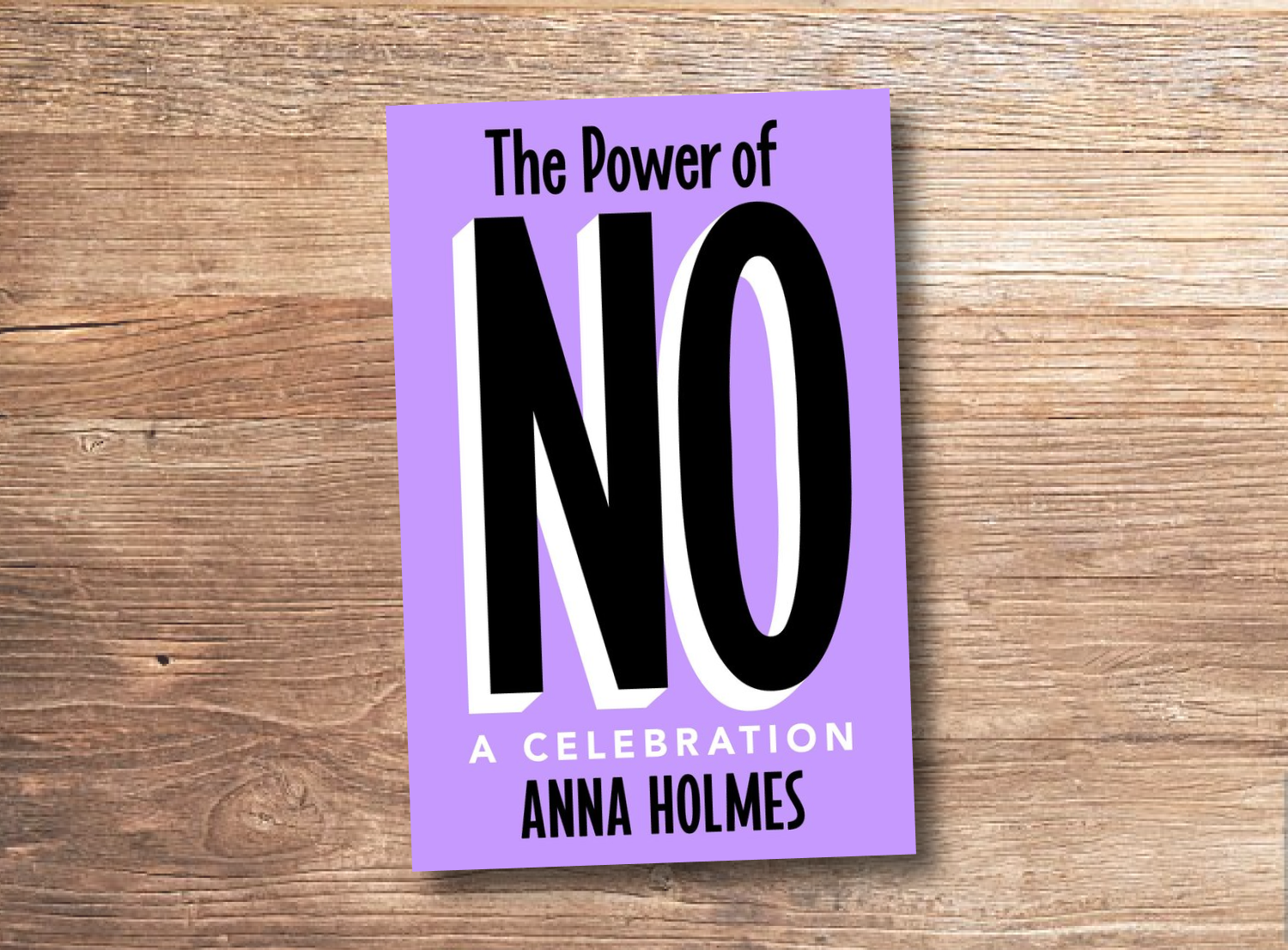
A feminist manifesto and a celebration of the shortest complete sentence: No. At the heart of it sits one quote you won't be able to forget: «When a man says No, it's the end of the conversation. When a woman says No, it's the start of a negotiation.» Buy it here.

A gem from the archive Explore

Collections See all
That's it for this week. Thanks for reading. I wish you a nice weekend and hope to see you again next Friday!
— David
