
History tells us what's possible
Plus: If you love them, tell them they're wrong. (#584)

This is David, your decidedly human web crawler, and you're reading the Weekly Filet, the newsletter that helps you make sense of what’s happening, and imagine what could be. It's great to have you.
1. Timothy Snyder: What is History?
«The more you know about the past, the better your chances are of seeing which futures are possible.» This is the key premise of an outstanding lecture by historian Timothy Snyder. It's the first in a series of ten on «Hitler and Stalin Today», which he devotes to the meta question of what history is in the first place. Or more precisely: Why bother with history? Three standout quotes:
- «If one is concerned about what is possible, history gives you a baseline because the things that happened must have been possible because they happened.»
- «If one is aware that terrible things are possible, and if one is aware of how they were possible, then you can make them less likely to return.»
- «There is no such thing as happened. Everything is always happening. Everything which every human being did since the dawn of time is still reverberating outwards.»
2. Let's normalize debunking each other
«If you love them, tell them they're wrong.» Good post on why misinformation spreads much like viruses, and how we can apply what we learned during the Covid pandemic to slow down its spread.
 Amanda Shendruk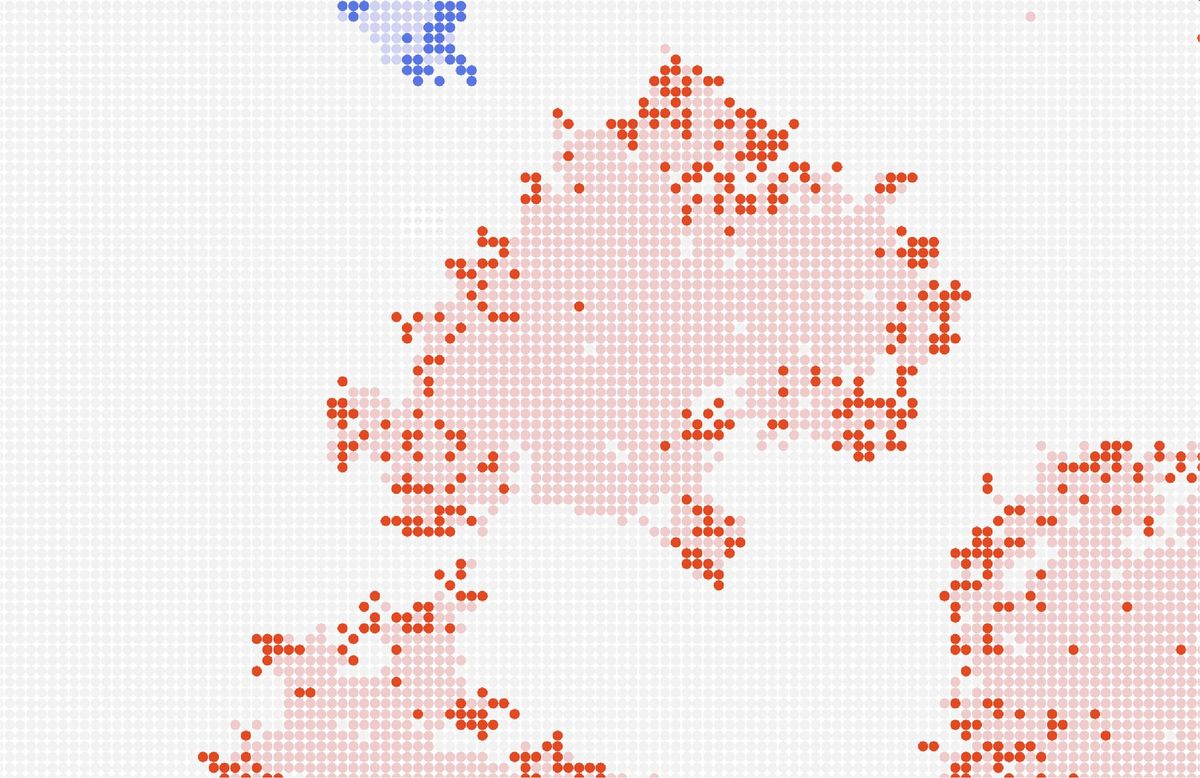
3. Building without predicting
«I’m building my dream house without predicting – by living in a bare cabin in the woods, then adding only what I find I actually need.» What Derek Sivers describes here can be applied to many areas in life. How do you know what you really need? Don't predict. Defer decisions. Start using what’s there. Discover actual needs.
 Derek Sivers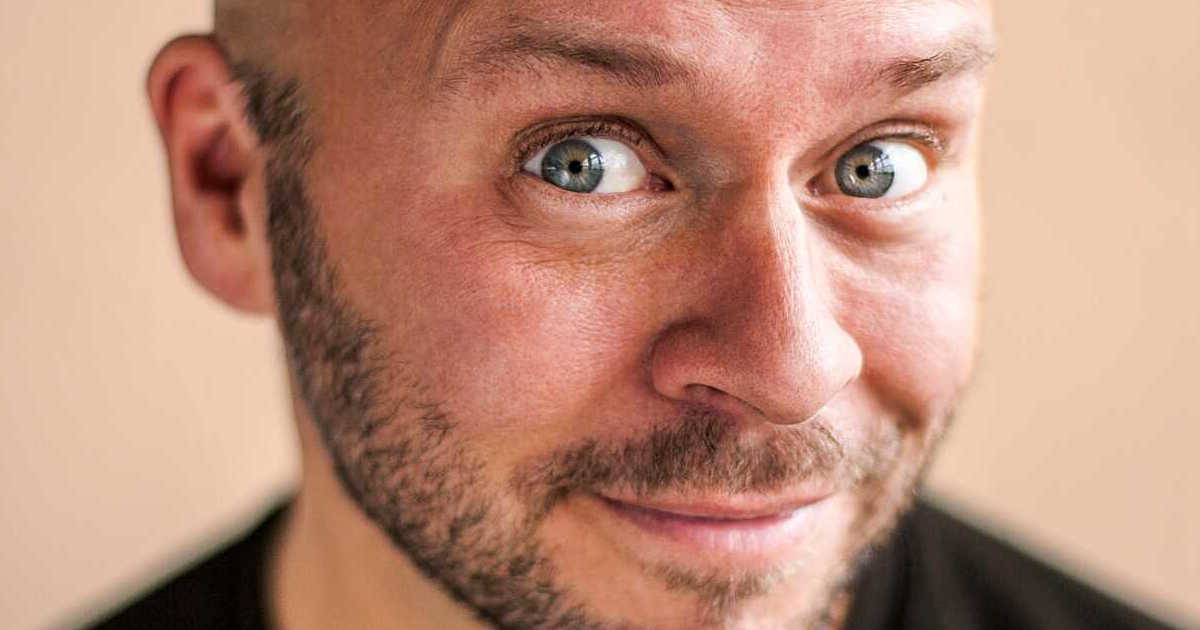
4. What We Tell AI
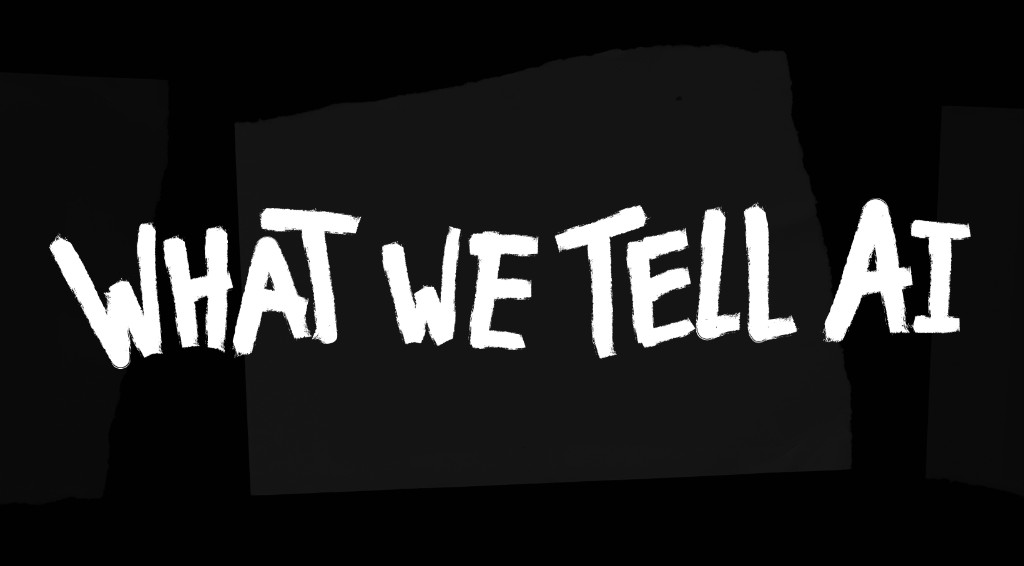
An interesting art project with responses worth exploring. It started with a simple box in public spaces, with a simple ask: What do you have to confess about your relationship with AI? There are now around 350 handwritten notes to explore and reflect upon.

5. The Mathematics of Fear: Why Starlings Murmurate
Fascinating: Only in 2005 did researchers discover how tens of thousands of birds can speed through the air without colliding. The answer is strikingly simple.
 Enes Coskun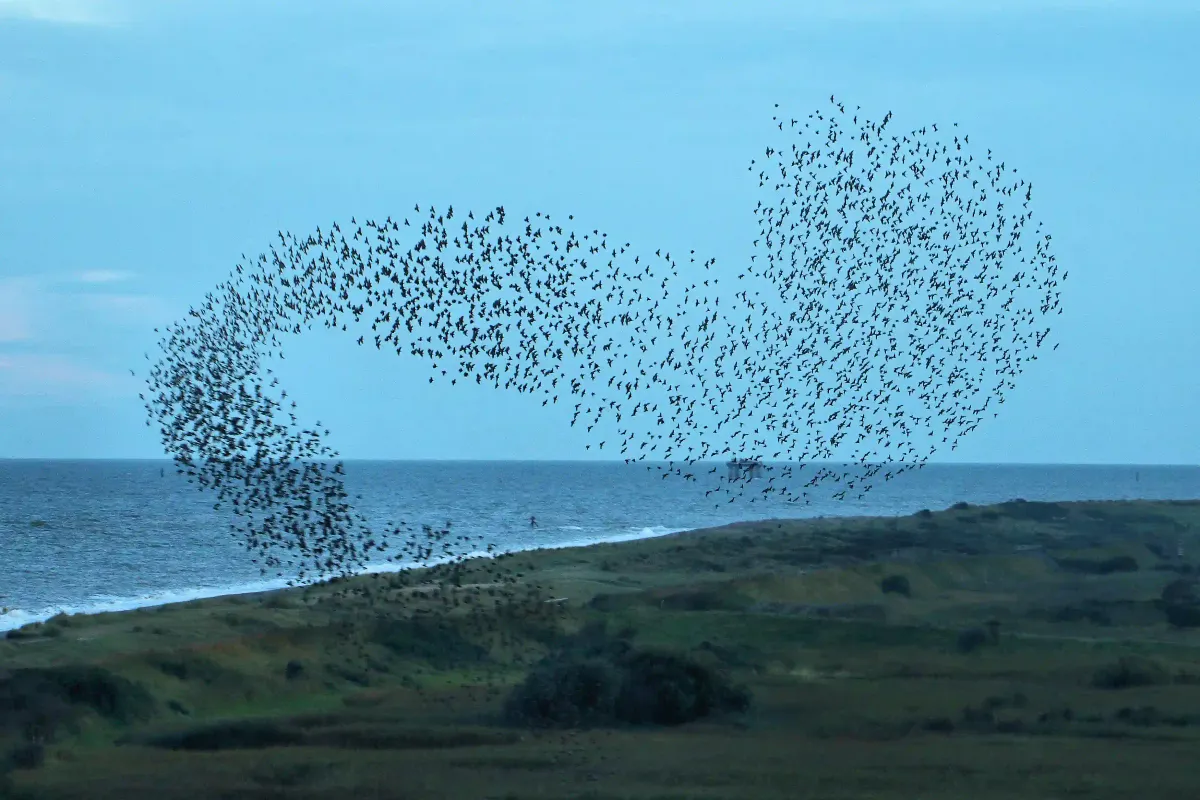

Dataguessr of the week
Update your knowledge of the world. One quiz at a time. This week:

What else?
Instant-gratification links that make you go wow! or aha! the moment you click.
- Fun little test: Come up with 10 words that are as unrelated as possible. I made it to the 95th percentile on the first try.
- Love the birds.
- A QR code that is also a tree.
- How much tech can you possibly fit into a toothbrush? Dyson be like: ALL OF IT.
- Today I learned... – new favourite TikTok account.
- Beautiful new Adna song: If It Never Happened.

Books for curious minds
Some new ones as I read them, some older ones that continue to inform how I look at the world and myself.
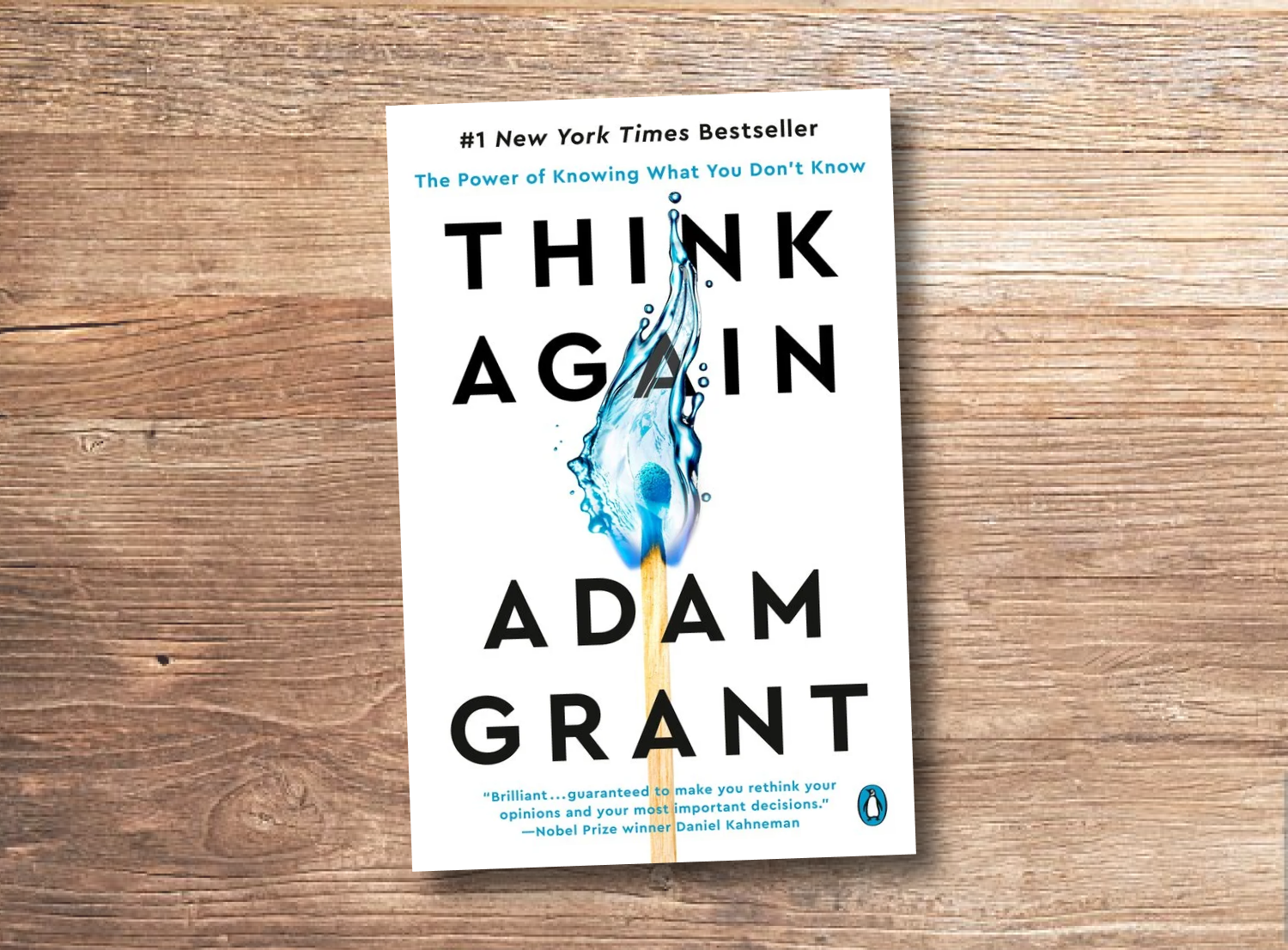
How to challenge yourself and others to continually reconsider your positions. Key takeaway for me: the power of asking «What would make you change your mind?». Buy it here.

A gem from the archive
 David Bauer
The Weekly Filet archive offers around 3000 hand-picked links since 2011, like this one. You can search by interests, explore collections or shuffle for a gem.
That's it for this week. Thanks for reading. I wish you a nice weekend and hope to see you again next Friday!
— David

Little useful apps from me, for you
🇸🇨 Flag Buddy, a learning game for kids. Outsmart, a strategy game, you against the machine. 🌍 You Don't Know Africa, a simple game that has already humbled millions of people. 💯 Choose Impact, an online tool to compare job opportunities. 🧭 Priority Compass, a tool for individuals, teams and organisations to focus your energy on what really matters. 🪄 How I Use AI, a collection of use cases, ready to use and adapt. And ⏱️ One Minute Challenge, a little meaningful distraction to refocus.