Mental Models for the AI Age
Plus: Let's make «patient like a penguin» a thing. (#574)

This is David, your decidedly human web crawler, and you're reading the Weekly Filet, the newsletter for curious minds who love when something makes them go «Huh, I never thought of it this way!». As every Friday, I'm here to help you make sense of what’s happening, and imagine what could be. It's great to have you.
In case you missed it last week: I've opened submissions for this year's book club. I have already received two dozen recommendations, but maybe yours is still missing?
What's a book that moved you to action?
1. Mental Models for the AI Age
I think I've found a new go-to recommendation for anyone looking for a comprehensive introduction to artificial intelligence. How it came to be, how it works, and what it means for us as individuals and humanity in a broader sense. The Framework is a collection of 50 short audio essays that build on one another, to equip you with mental models of how to think about AI. The author behind it is one of Switzerland's foremost experts in the field – Marcel Salathé, co-director of the AI Center at the Federal Institute of Technology in Lausanne.

For a more narrow primer on how AI models actually work, I still think nothing beats this 90-minute talk by Spotify CEO Gustav Söderstöm.
2. Time to take things personal
It has become a bit of a Swiss tradition that every other year or so, we vote on a xenophobic referendum that pretends to be about something else. Next weekend, we vote on the so-called «sustainability initiative» that would impose a hard cap on the population of Switzerland at 10 million (currently, we're 9.1 million). According to recent polls, it looks more likely than not that it will fail, but it's way too close for comfort. Carlos Hanimann, a colleague of mine at Republik, is tired of a country that keeps pretending it's not about racism. His essay is in German, but I'm sure you'll find a way to get it translated to your language. It's worth it.
3. How The Heck Do Traffic Lights Work?
How the Heck? is a nice series of so called explorable explanations, with cute little illustrations you can interact with. This one is the story of how we landed on red, yellow, and green (a mix of human psychology, failed designs, and a bit of physics), and how today's traffic lights are designed to be as efficient as possible.
 Shri Khalpada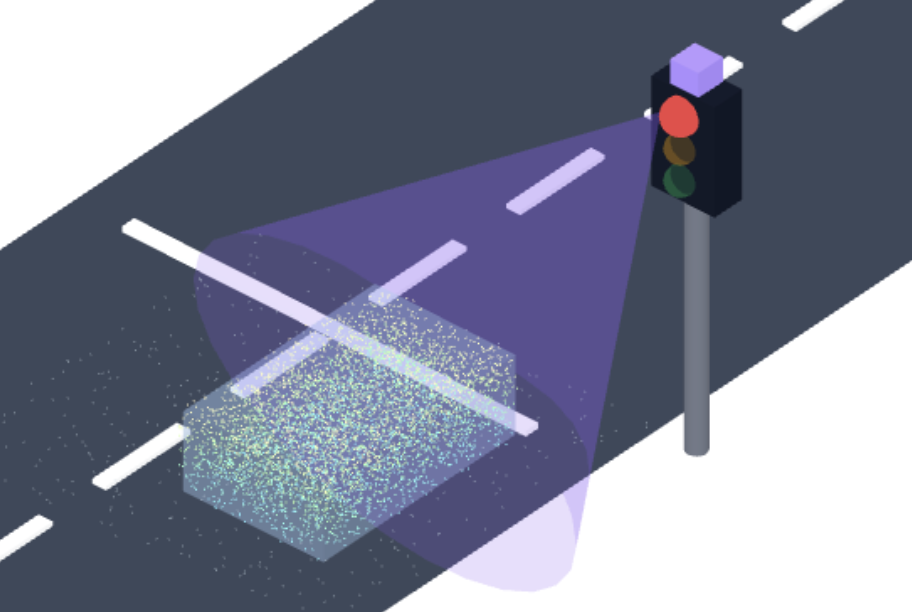
4. How Evolution Invented Faith
I'm left wondering why «patient like a penguin» isn't an idiom yet. «No one in the history of the world has had more faith in the face of separation and uncertainty than the penguin.»
 Maria Popova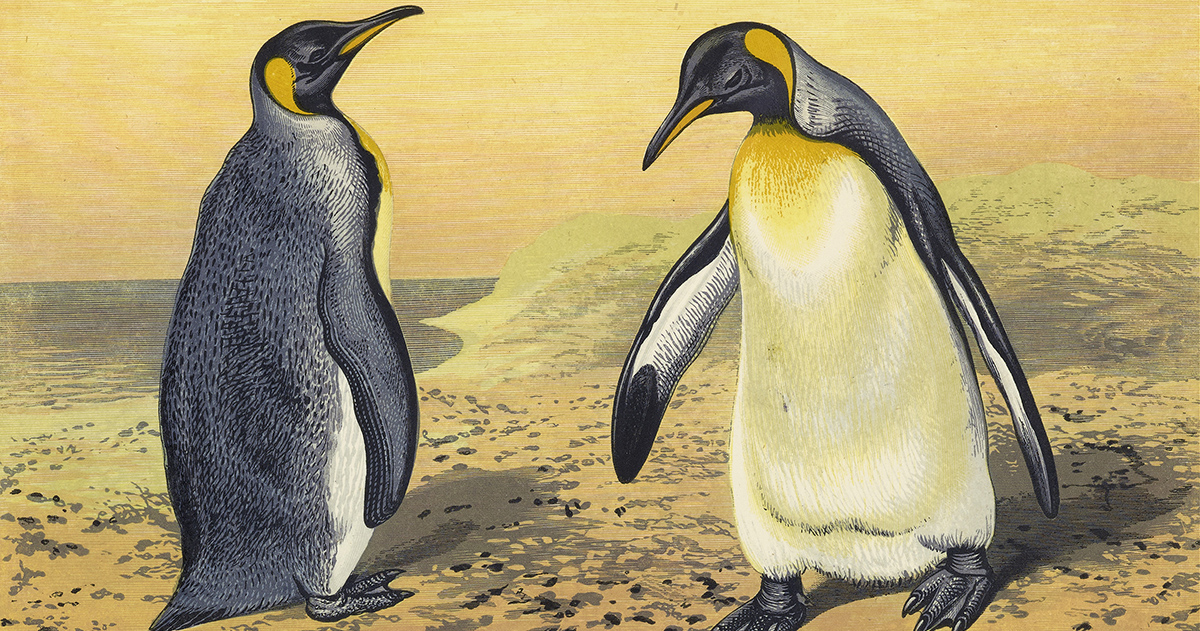
5. A Social History of Rhubarb
The sweetest, sourest delight of every spring has a much more interesting history than I knew a week ago. It once saved people from death, and in the 17th century, one pound of Chinese rhubarb was valued at roughly $100,000 in today's money.

Dataguessr of the week
Update your knowledge of the world. One quiz at a time. This week:

What else?
Instant-gratification links that make you go wow! or aha! the moment you click.
- Hitchcock would have loved this: One thousand illuminated windows in New York City, photographed over five years.
- Every indie song in the 2000s. We filled an entire music blog with music like this back in the days and I hate to admit that it's true.
- I don't often often explicitly look forward to an album being released, but I do to this one.
- «I'm sorry Mr. Descartes, but people who don't think also exist. Honestly, it's a real problem.» (source)

Books for curious minds
Some new ones as I read them, some older ones that continue to inform how I look at the world and myself.
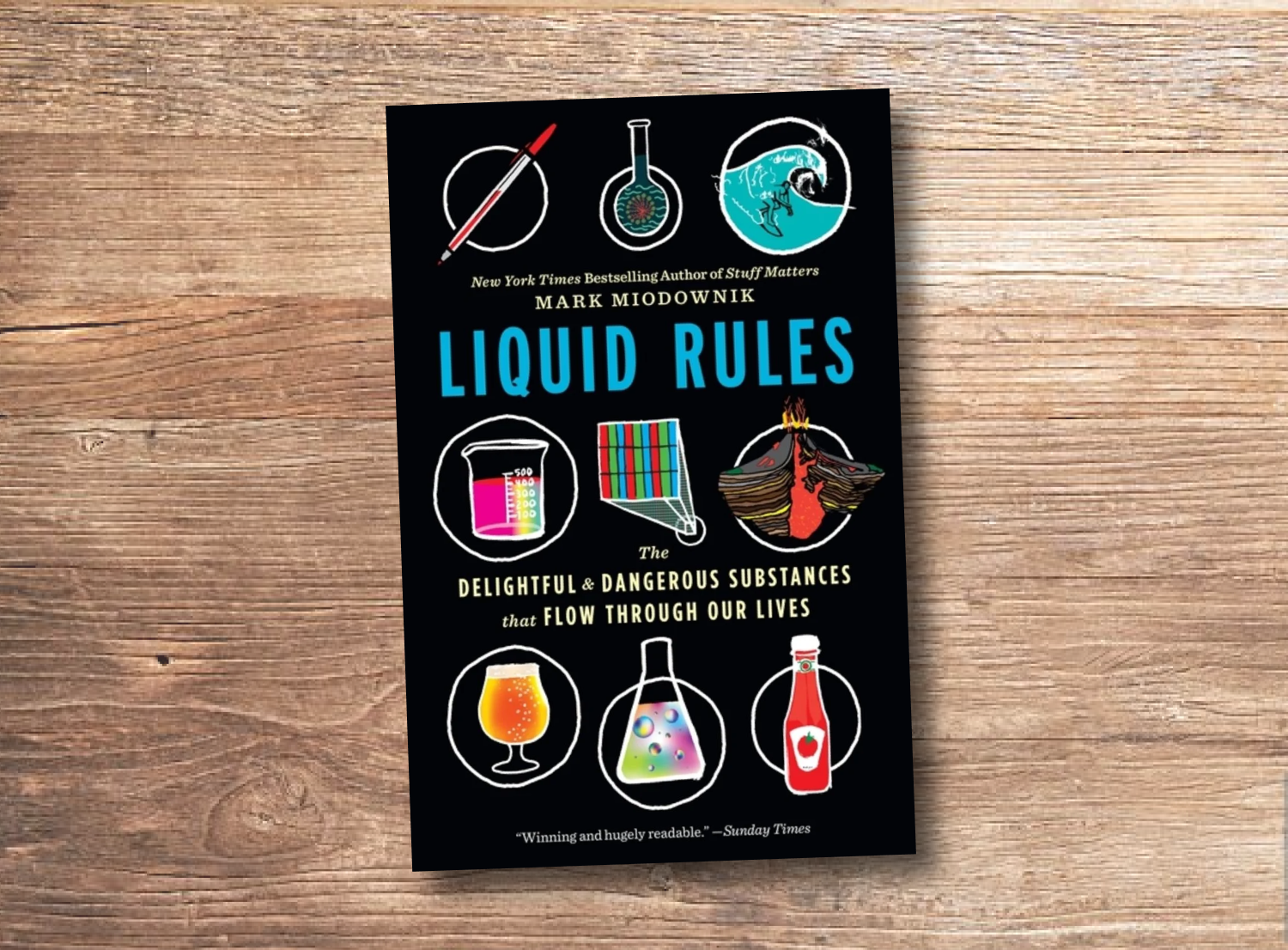
A wonderful, nerdy book about liquids that are everywhere and that get more interesting the closer you look: blood, ink, tea, liquid crystals, kerosene, and many more. Buy it here.

A gem from the archive
 David Bauer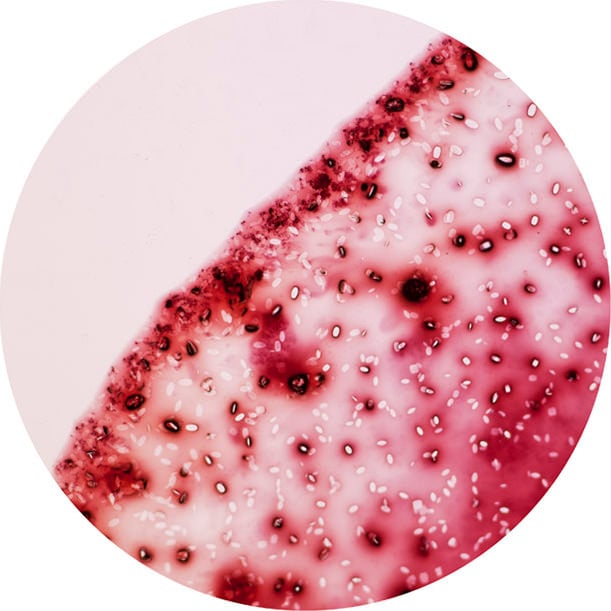
The Weekly Filet archive offers more than 2800 hand-picked links since 2011, like this one. You can search by interests, explore collections or shuffle for a gem.
That's it for this week. Thanks for reading. I wish you a nice weekend and hope to see you again next Friday!
— David