
Wonder and curiosity on full display
Guess who's back in your inbox 😁 (#569)

What would make the front page of a newspaper that only came out every 50 years?
I had this thought experiment on my mind when my – arguably a bit shorter – break from writing this newsletter came to a close. Though I haven't been offline for the past four weeks, I followed what happened in the world much more loosely than I usually would.
So, looking back, what appears most important, most profound of everything that happened while I was away from keyboard?
It has to be the Artemis mission, around the moon and back, further than any human has ever traveled from Earth. Specifically for the images it created and the conversations it sparked.
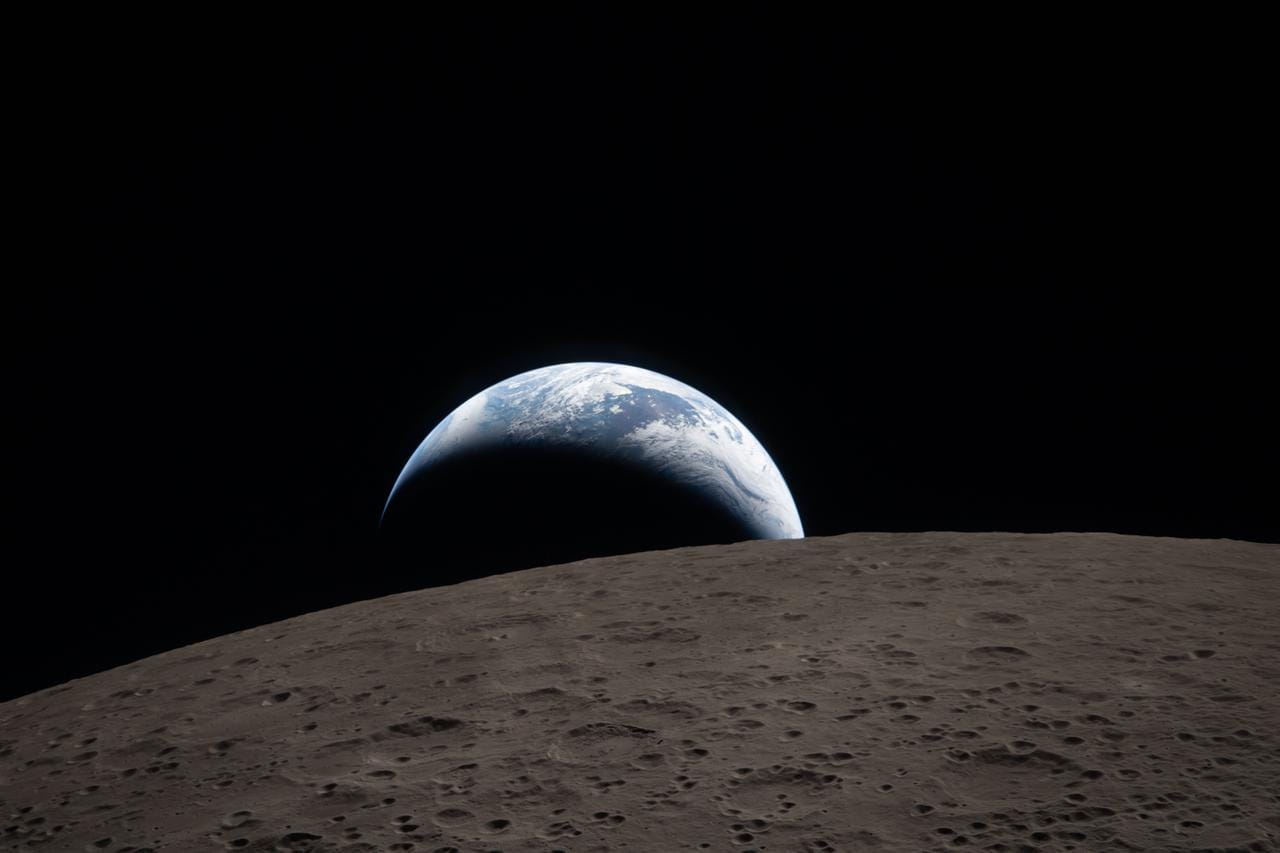
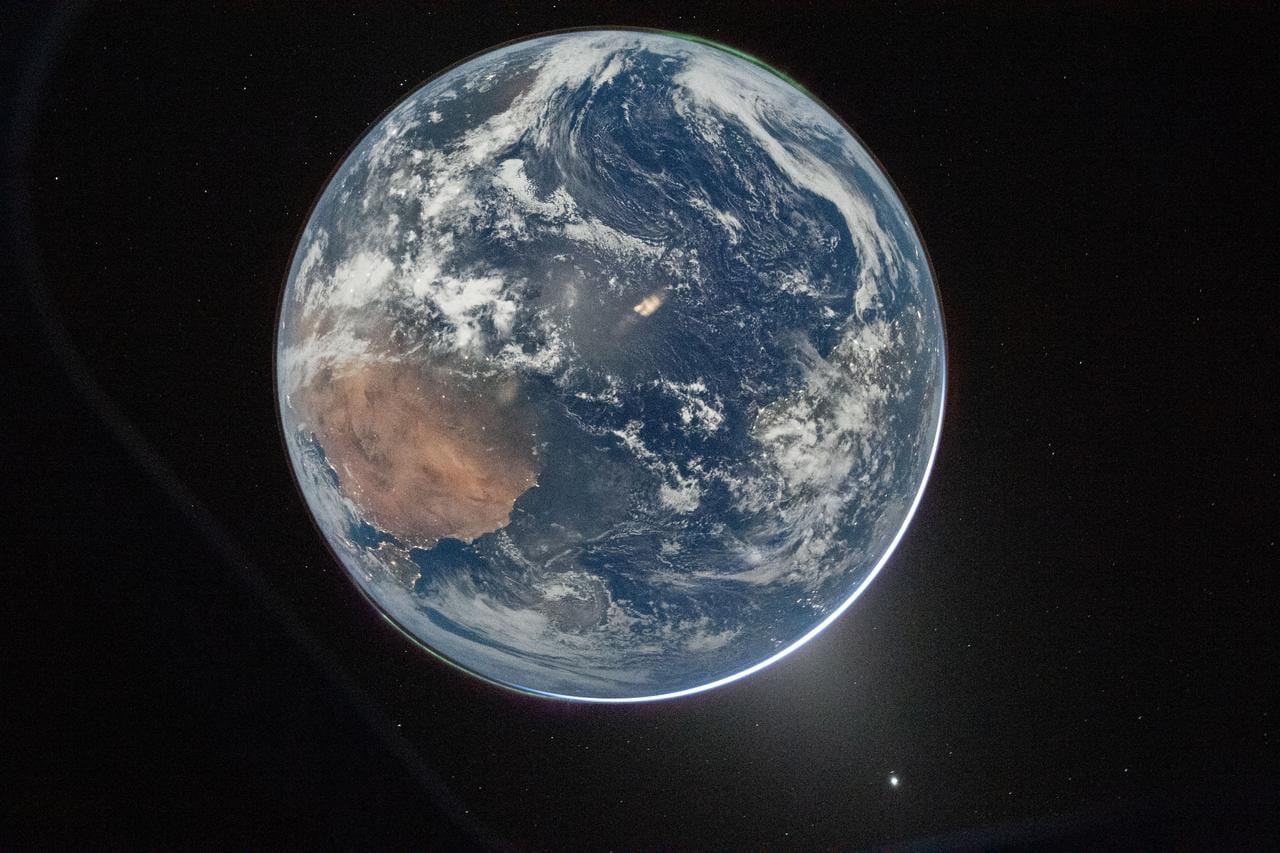
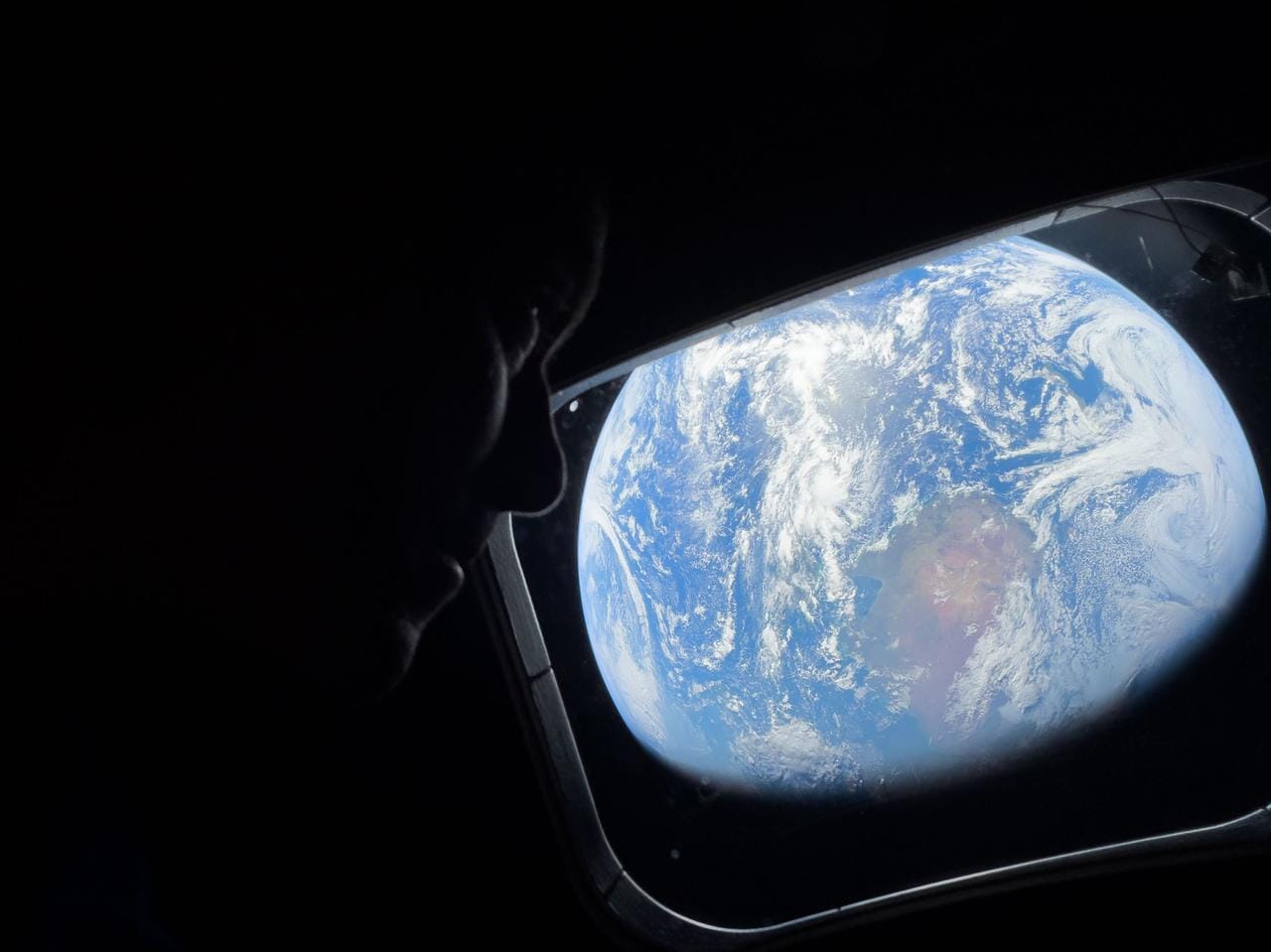
All images from NASA, Public Domain. More images from the mission.
I mean: How can you look at these images and not be in complete awe and wonder of the beautiful, precious planet we get to live on?
Upasna Gautam captured it like this:
It’s not a coincidence that the astronauts who’ve traveled further than any human don’t talk like they know everything. They talk like students and explorers. Their wonder and curiosity are on full display. That’s what science does to you. It dissolves your ego and forces you to confront the vastness of the unknown. It makes you more careful with your words, more open to being wrong and more in awe of the questions than obsessed with the answers. It softens you in the best way possible.
It dissolves your ego and forces you to confront the vastness of the unknown.
It softens you in the best way possible.
We could really use a bit more of that these days.
As always, this is me, David, your earthly explorer of everything that's interesting on the web. You're reading the Weekly Filet, the newsletter for curious minds who love when something makes them go «Huh, I never thought of it this way!». Thanks for reading along.
1. What the Astronauts See That Trump Cannot
«What would happen if we sent Trump into space?», this article asks. Well, I'd say that heavily depends on whether he stays there or comes back. That's not what the article is about. It basically turns Gautam's insight that I quoted above to Trump, exhibit A of a human that would need a bit of ego dissolution. To then contrast his antics with the experience of the Artemis astronauts: «From up here, you look like one thing. Homo sapiens is all of us. No matter where you’re from or what you look like, we’re all one people.»
 Gal Beckerman
2. The Un-Fuckening
A great essay, making the case for taking a different perspective on AI. Some standout quotes:
- «The danger of the current moment is that technological acceleration is outrunning our moral ambition.»
- «This is part of the tragedy of the technocentric worldview: it does not require bad people to produce bad outcomes. It only requires the logic of acceleration to become self-reinforcing.»
- «The less special we become, the more seriously we must take one another.»
 Judith Dada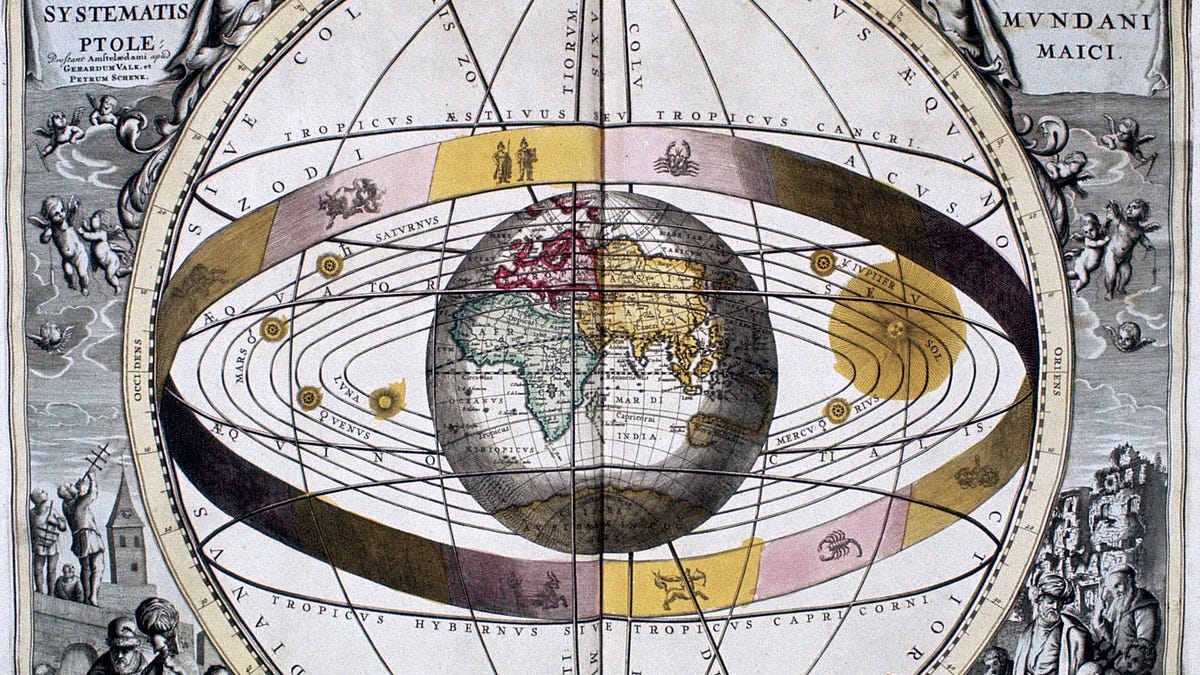
3. «This is civilisation changing stuff»: Is AMOC the hardest climate story to tell?
A new report came out that showed that for one major climate tipping point, the most dire scenarios are much more likely than previously thought. Most major news sites dutifully reported it, but you might as well have missed it. And honestly, that's a problem. This podcast does a good job of explaining why the «Atlantic meridional overturning circulation» is so important, what its collapse would mean – and why it's so hard to get people to pay attention to this story.
Pocket Casts
4. The 30 Greatest Living American Songwriters
The New York Times Magazine has picked the 30 greatest living American songwriters. And obviously, you can debate their selection and bemoan that they left out everyone outside the US. But what's inarguably great is being able to listen to passionate, skilled artists talk in great detail about their craft.
5. 11 Discoveries That Changed My Worldview
I'm not sharing this to tell you that these 11 discoveries will change your worldview – they won't. Some are quite interesting, some are rather duh!, but they make sense in the context of the author, for the author, and that's the whole point. Take it as inspiration to ask yourself: What are some things you learned over time that have changed your worldview?
 Nate Hagens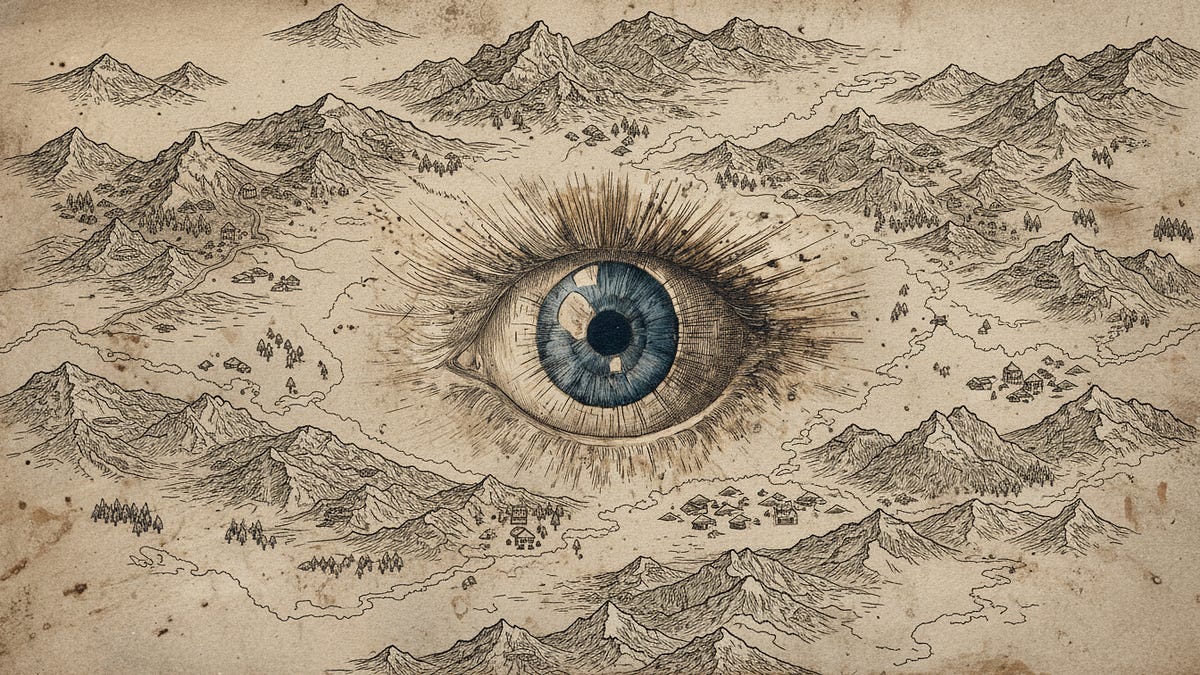

Dataguessr of the week
Update your knowledge of the world. One quiz at a time. This week:


What else?
Instant-gratification links that make you go wow! or aha! the moment you click.
- This is just brilliant: the Amazon river turned into a brand identity.
- A whale's eye, up clooooose.
- Pick a country, pick a decade, listen to music (curated by actual humans): Radioooooo.
- Interesting brain teaser: You suddenly time travel to the year 2007, with no time to prepare. How do you convince people in the past that you're from the future, as quickly as possible?
- How fitting that both these series released their trailer for the next season on the same day. Welcome to Wrexham, Ted Lasso.
- How is this even possible? Dozens of Rubik's cubes, all memorised, then solved blindfolded in one go.
- You run a sub-2 marathon in your debut and only come second. Happens to the best of us.

Books for curious minds
Some new ones as I read them, some older ones that continue to inform how I look at the world and myself.
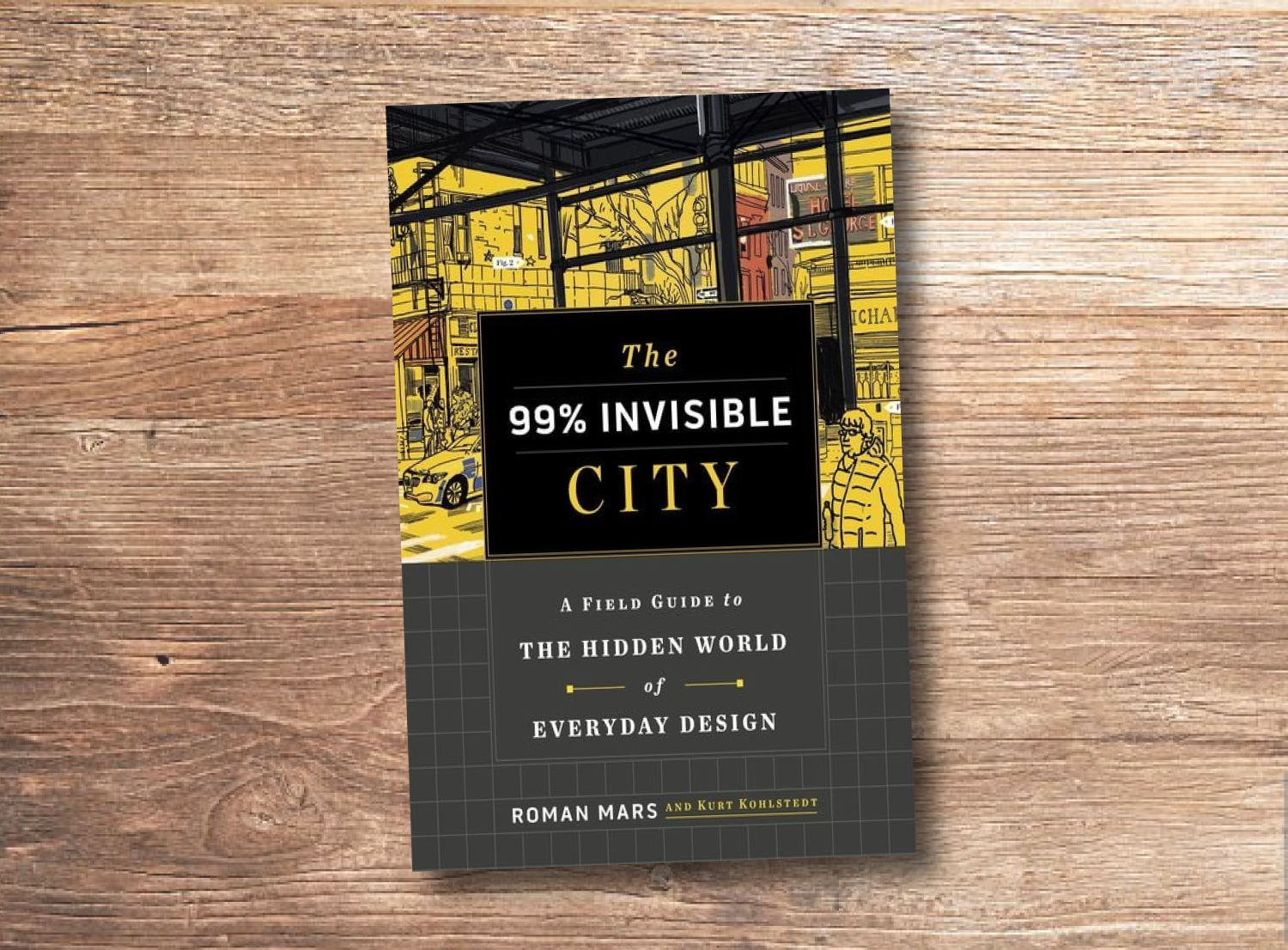
If you love the podcast, you‘ll love this, too. If you don’t know the podcast yet, this is a great way to start loving it. Buy it here.

A gem from the archive
David Bauer
The Weekly Filet archive offers more than 2800 hand-picked links since 2011, like this one. You can search by interests, explore collections or shuffle for a gem.
That's it for this week. Thanks for reading. I wish you a nice weekend and hope to see you again next Friday!
— David