
Happy People, Happy Planet
Plus: Something new that I built. (#582)

This is David, and before we get to this week's recommendations, I need to tell you about something.
Over the past few weeks, I've been working on a completely new version of Dataguessr. It now includes an endless feed of short-form data quizzes that serve as a meaningful distraction for when you’d otherwise open TikTok. Learn about the world and discover your blind spots, one swipe at a time. And if you want to go deeper on a topic, there’s still the original Dataguessr play mode with 75 topics. I'm really proud of this new version and I'd love for you to try it!
Anything else that's good on the internet, I hear you ask? Yes, indeed.
1. Happy Planet Index 2026
I bet you won't find many global statistics where the top 3 are Costa Rica, Guatemala and Tajikistan. Well, they are in the Happy Planet Index 2026. It's an interesting attempt at measuring «sustainable wellbeing». It evaluates countries by how efficiently they deliver long, happy lives for their residents using our limited environmental resources. I like how it uses a much simpler formula than, say, GDP, but manages to include the key question GDP leaves out: at what cost to the planet?


Related: Hannah Ritchie on why we might be the first sustainable generation ever.
2. Ordinary Abundance
It's easy to forget how many things that are perfectly ordinary to us would seem magical to someone from even a few decades ago, let alone one or two centuries. You don't even have to leave your home if you know where to look. So, let's look.


3. What Happened When a Megacity Banned All Outdoor Advertising?
I knew the headline about São Paulo banning all outdoor advertising back in 2007. This article adds a bit of nuance to it. With thousands of billboards and neon ads gone, the city didn't instantly become calmer and more beautiful. «Instead, it exposed hidden favelas, extreme poverty, and a profound urban identity crisis.»
 Enes Coskun
4. He helped Uruguay decarbonize. Can he help other countries do the same?
He was a physicist studying the first microseconds of the universe, until all of a sudden he found himself appointed energy secretary of his country. His quest: lead Uruguay out of an energy crisis and decarbonise its grid. In this super interesting conversation, he tells the story of how he succeeded, and what other countries can learn from Uruguay.
 David Roberts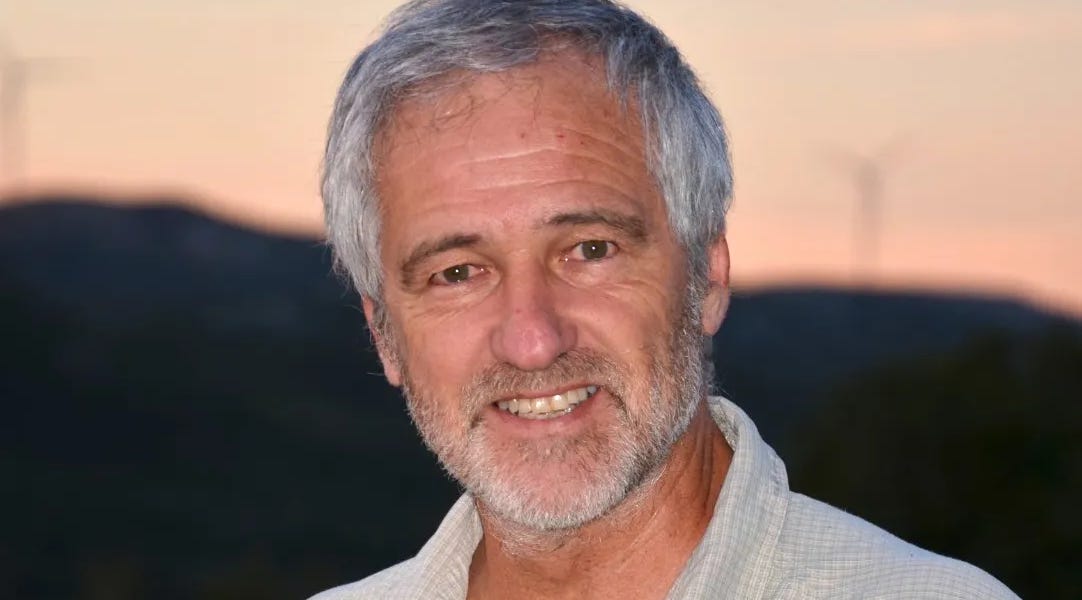
5. Is Ocasio-Cortez Ready for the Glass Cliff?
Twice already we thought the United States was ready for a female president, only to see the most incompetent man imaginable get elected instead. Might 2028 be different, and might Alexandria Ocasio-Cortez be the one that's different? Tressie McMillan Cottom makes a (cautious) case for it, ending with: «As we learned in 2008, when history says it’s your time, it’s your time.»

What else?
Instant-gratification links that make you go wow! or aha! the moment you click.
- «The fights are gonna be spicy.» – The Diplomat: Season 4, Official Teaser
- I want these bandages for my kids.
- Trick your brain into seeing colours that aren't there.
- From the creator of Wordle, but way harder.
- Seeing Batman makes people act less selfishly. Science, baby!
- More and even better science, baby!

Books for curious minds
Some new ones as I read them, some older ones that continue to inform how I look at the world and myself.

«When white people say ‘Justice’, they mean ‘just us’.» A powerful essay that works as a giant asterisk to social contract theory. Buy it here.

A gem from the archive
 David Bauer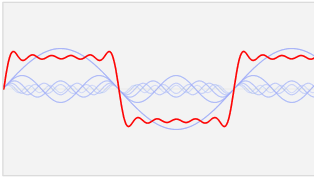
The Weekly Filet archive offers more than 2900 hand-picked links since 2011, like this one. You can search by interests, explore collections or shuffle for a gem.
That's it for this week. Thanks for reading. I wish you a nice weekend and hope to see you again next Friday!
— David

Go deeper
Check my 📚 digital bookshelf, with sections of 🌡️ books that help you make sense of the climate crisis, ⛵ books that make you a better product manager, 🪄 books that help you make sense of AI, and 🧒 books that help you as a parent.