
Move like a king
Plus: Who wins the World Cup when not football decides? (#577)

This is David, your adjacent possible guide in the search for signal among noise. You're reading the Weekly Filet, the newsletter for curious minds who love when something makes them go «Huh, I never thought of it this way!». As every Friday, I'm here to help you make sense of what’s happening, and imagine what could be. It's great to have you.
1. Adjacent Possible
«Ambition sets our destination, but adjacency sets the next move.» I love the concept of the «adjacent possible» – and when I say I love it, I mean that it has often served me well, but I had never had a term for it until now. It's what gets you moving when huge ambitions might overwhelm and freeze you. The adjacent possible is the set of moves genuinely available to you from where you actually are right now. No big leaps, no shortcuts, just the next possible step towards something bigger. Sounds boring? You're literally moving like a king on the chessboard of life.
2. Can computer hackers get inside your mind?
This is true crime, but the detective is a «cyber paleontologist». He stumbles upon traces of a decades-old cyber attack that appears impossible to track down. The closer he looks, the more fascinating the story becomes. «Fast16» appears to be a cyber-attack designed to mess with nuclear physicists' minds – in order to slow down Iran's nuclear program.
 Alex MayyasiPlanet Money Team
3. Tenderly Tracking My Husband
A geolocation-enabled love story, of sorts. «I wondered if I would feel guilty spying on my husband. But as I began tracking him, following his dot on a digital map, I felt connection. [...] I felt like I had given him, and us, an extension on the routines that had held us together for more than 20 years.» Gift-link so you can read it without a subscription.
4. How AI Will Reshape Public Opinion
An optimistic – or maybe fatalistic? – take on how the increasing presence of AI in the information ecosystem will shape public opinion. In a nutshell: When we look at large language models as flawed information transmitters, we're asking the wrong question. The relevant question is «How do they compare against alternative sources of information?» And the author argues: «LLM’s responses are generally much more accurate, evidence-based, and in line with expert consensus than what you get from most social media posts.» It's an interesting perspective – that doesn't take into account that much of the dis- and misinformation circulating on social media is now supercharged with large language models.
 Dan Williams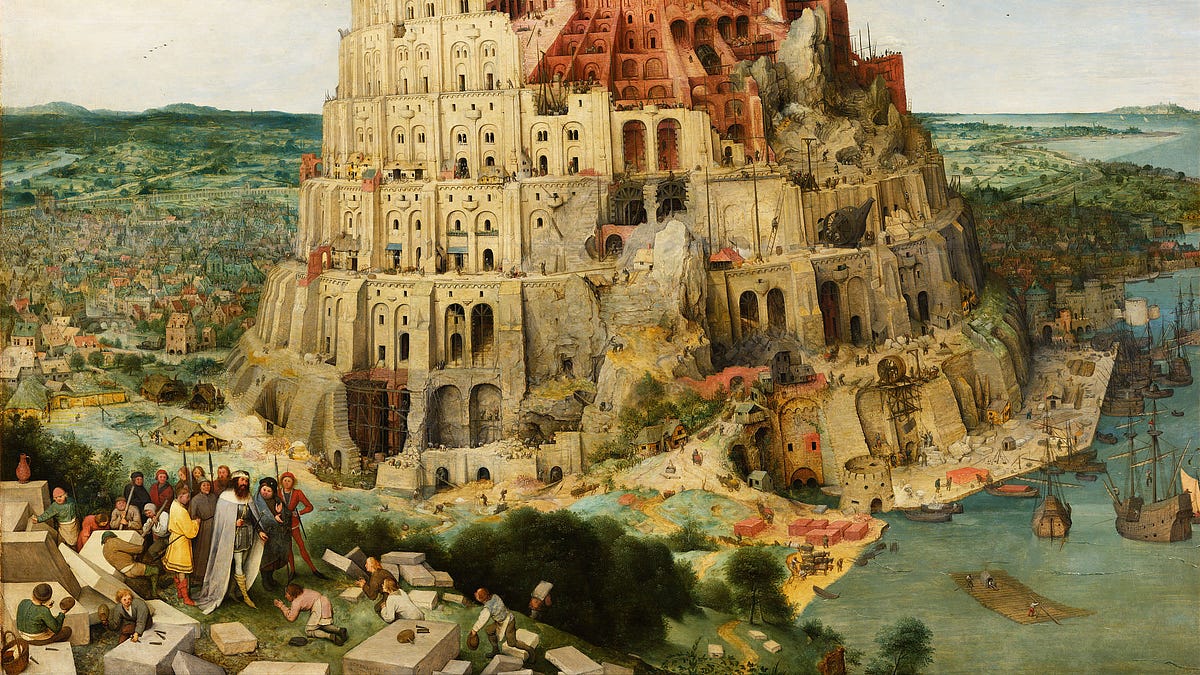
5. M.C. Escher
The story of a Dutch printmaker who, inspired by Islamic art, invented a unique artistic style that would go on to influence mathematicians around the world. I knew many of Escher's mind-bending artworks, but knew very little about himself. Super fascinating episode of the BBC's In Our Time podcast.
 Wouter van Reek

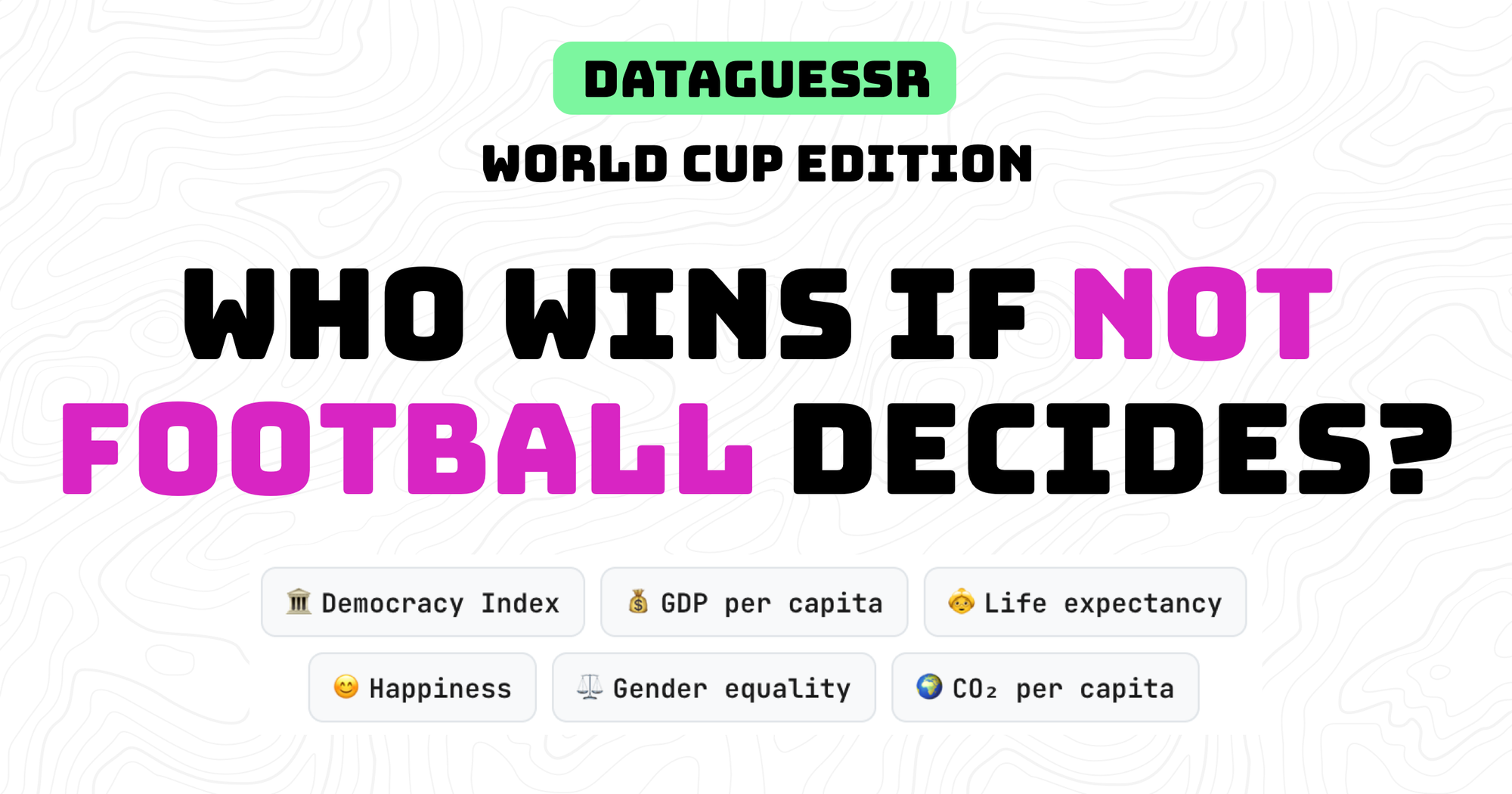
Dataguessr World Cup Edition
I built a special edition of Dataguessr for the World Cup. Pick a metric, make a guess, and see the knockout stage play out.

What else?
Instant-gratification links that make you go wow! or aha! the moment you click.
- Dogs age much faster, then much slower than humans. It's not as simple as multiplying by 7.
- Mood of the North Sea, captured.
- «Carspreading» is an excellent term.
- How cute and blissfully pointless is that? A campground for your cursor.
- Almost half of European cities have seen their heat-stress records broken in the past week. Mapped.
- 60 million stars in the most detailed photo of the Milky Way ever taken.

Books for curious minds
Some new ones as I read them, some older ones that continue to inform how I look at the world and myself.
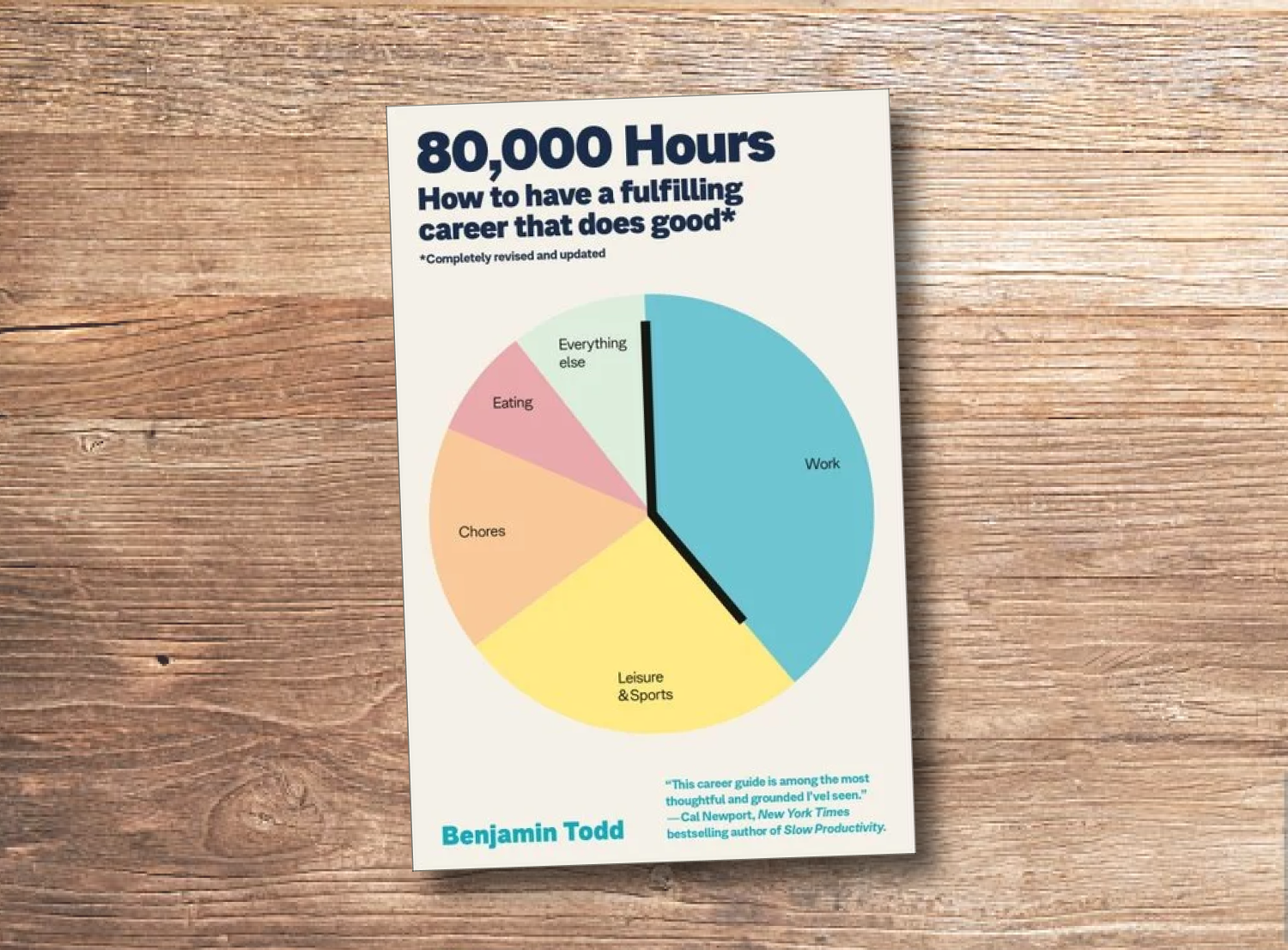
The average worklife has around 80,000 hours. If you have a good chunk of these still ahead of you – or have a kid or grandkid who does – this is an excellent book for you. Based on the assumption that your choice of career is one of the most consequential decisions of your life, it explores how you can achieve the greatest impact for good. Counterintuitive and eye-opening. Buy it here.
By the way, inspired by an earlier version of the book, I built this tool to compare job opportunities, helping you find something that is both impactful and fulfilling.

A gem from the archive
 David Bauer
The Weekly Filet archive offers more than 2800 hand-picked links since 2011, like this one. You can search by interests, explore collections or shuffle for a gem.
That's it for this week. Thanks for reading. I wish you a nice weekend and hope to see you again next Friday!
— David