
Time travel will get you killed
Plus: Why wars last forever and how AI could enable a coup. (#581)

This is David, your human web crawler. I've travelled through time and space from last Friday to this, and here I am, back in your inbox. With me: a fresh issue of the Weekly Filet, the newsletter for curious minds who love it when something makes them go «Huh, I never thought of it this way!». It's great to see you again.
1. No, You Don’t Want to Time Travel
I had never thought of this: even if we somehow invented a way to time travel, it wouldn't be as cool as sci-fi tells us. In fact, using a time machine would mean you would end up somewhere in cold, dark space and die pretty quickly. Because «moving through time also means moving through space.»
 Douglas Giles, PhD w/o BS
2. Tracking Western Europe’s heatwave
Reuters' «Climate Monitor» puts the enormous heat in Europe in perspective, with a number of excellent data visualisations. As I'm writing this, it reads: «An estimated 334 million people, 91% of Western Europe's population, are forecast to experience a high temperature of +5°C or more above the historic norm.»
 Ben Welsh and Casey Miller
More in my collection: Making Sense of the Climate Crisis.
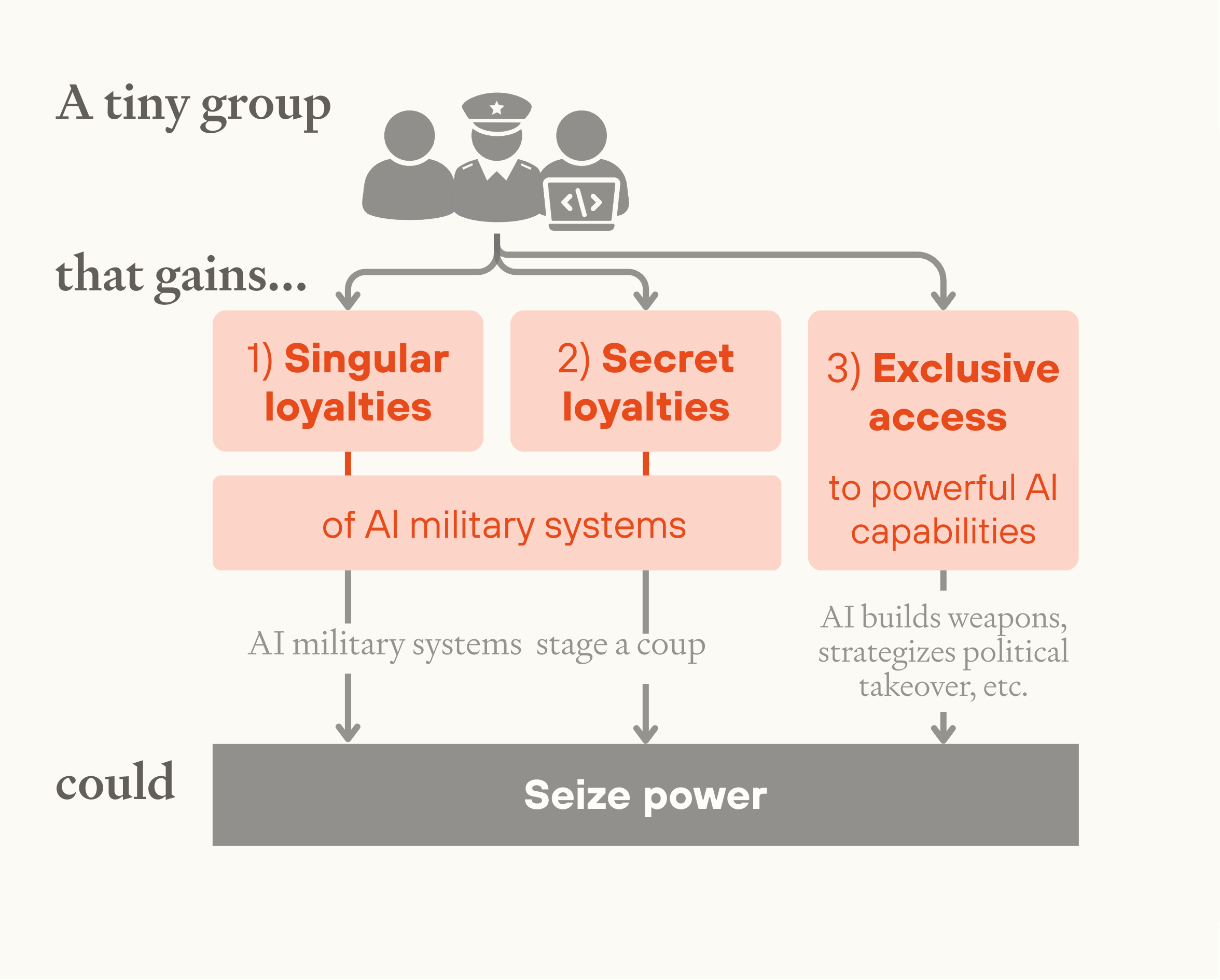
3. AI-Enabled Coups: How a Small Group Could Use AI to Seize Power
My head is still spinning from the number of times I've read secretly loyal in this report. Then again, it's the key term to understand how a small group of people could stage an AI-enabled coup. You don't need to read the entire report; the first couple of chapters give you a good sense of what such a coup would look like and what preconditions for it are already met today.

4. The New Forever Wars
Over the past 80 years, the Uppsala Conflict Data Program has tracked around 300 wars. More than 60 per cent had no formal ending. This is a helpful analysis for understanding why never-ending wars are becoming the norm, and how they could be avoided. (Not starting them would be one way, but the analysis focuses on cases where a major power decides to get involved in an existing conflict.)
 Dafna H. Rand
5. 141 people died trying to reach Ceuta. But why?
You probably heard the news of tens of thousands of migrants trying to reach the Spanish enclave of Ceuta in North Africa. But what actually happened there, and more importantly: why? This conversation does a good job of going beyond the simple explanations that were floated instantly.



Dataguessr of the week
Update your knowledge of the world. One quiz at a time. This week:

What else?
Instant-gratification links that make you go wow! or aha! the moment you click.
- Magritte's pipe, taken one step further.
- My hometown is turning an old railway ramp into a 170-metre-long community pool.
- Vaccines are pretty great, eh? «Since 1974, vaccination has averted 154 million deaths, including 146 million among children younger than 5 years [...] translating to 10.2 billion years of full health gained.»
- Good rule of (AI) life: Don't be a meat proxy.
- NO WE WON'T.
- Bubbling pasta sauce for your viewing pleasure.
- What a beauty: a new whale museum in Norway.
- An ode to...apples.

Books for curious minds
Some new ones as I read them, some older ones that continue to inform how I look at the world and myself.
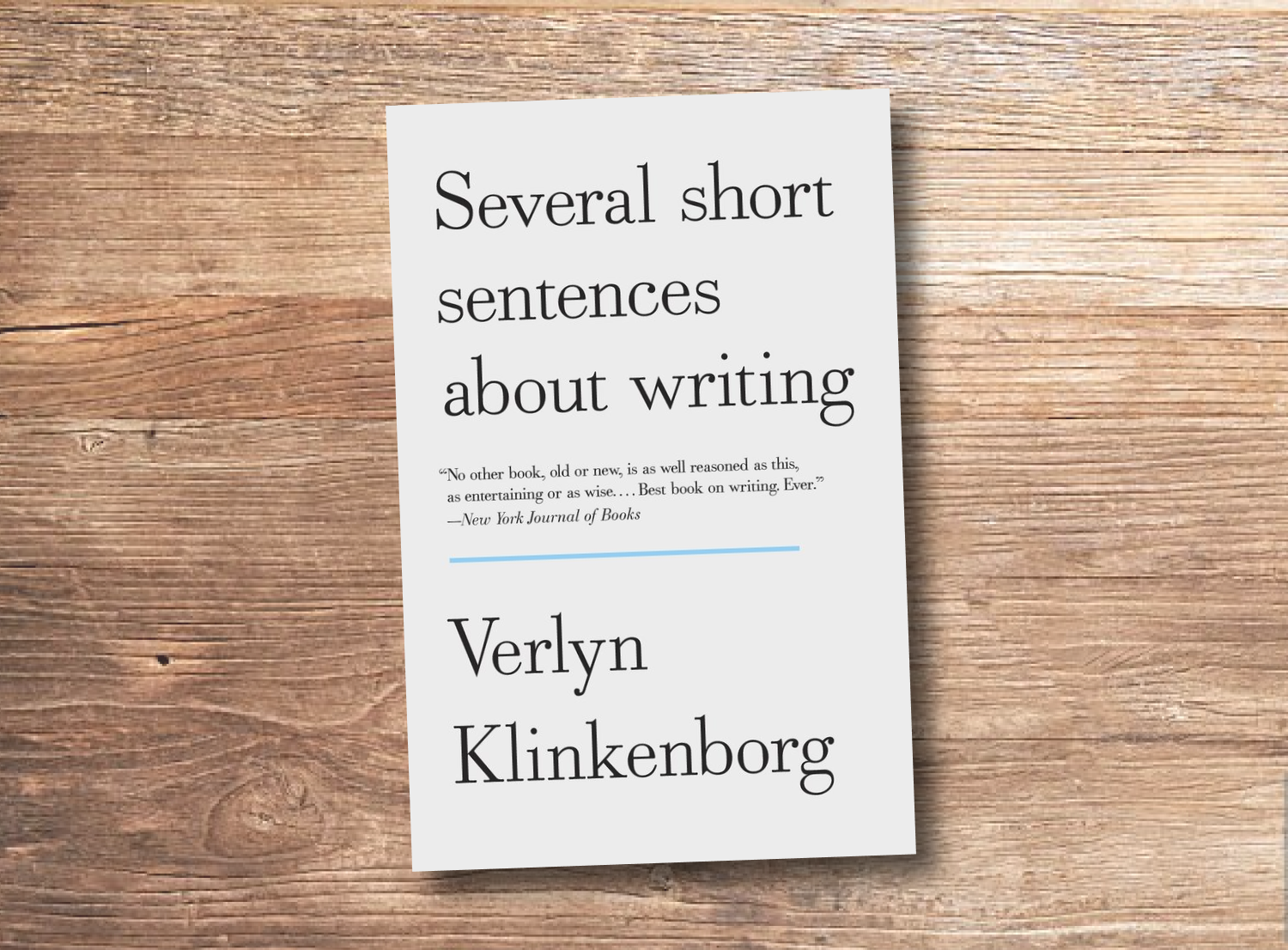
A wonderful book. Learned a lot about how to be a better editor of my own writing. The author would insist: writing is editing. Every written word is an edited thought. Buy it here.

A gem from the archive
 David Bauer
The Weekly Filet archive offers more than 2900 hand-picked links since 2011, like this one. You can search by interests, explore collections or shuffle for a gem.
That's it for this week. Thanks for reading. I wish you a nice weekend and hope to see you again next Friday!
— David

Little useful apps from me, for you
🇸🇨 Flag Buddy, a learning game for kids. Outsmart, a strategy game, you against the machine. 🌍 You Don't Know Africa, a simple game that has already humbled millions of people. 💯 Choose Impact, an online tool to compare job opportunities. 🧭 Priority Compass, a tool for individuals, teams and organisations to focus your energy on what really matters. 🪄 How I Use AI, a collection of use cases, ready to use and adapt. And ⏱️ One Minute Challenge, a little meaningful distraction to refocus.