
Worse on purpose
Plus: How to build a climate friendly city and how to catch an arsonist. (#578)

This is David, your human web crawler, trying my very best to make the web better on purpose. You're reading the Weekly Filet, the newsletter for curious minds who love when something makes them go «Huh, I never thought of it this way!». As every Friday, I'm here to help you make sense of what’s happening, and imagine what could be. It's great to have you.
1. Your Glasses Got Worse On Purpose
You have probably never heard of EssilorLuxottica. But you've almost certainly given them money. And that's exactly how they like it to be. They own and produce eyewear brands from Ray-Ban and Oakley to Versace and Gucci, make huge margins while mimicking competition. And it doesn't end there. This is a case study by «Worse on Purpose», a website that documents brands that have decided to make their products worse to increase profits. So after reading this case study, it's worth clicking around some more.
 Keyana Sapp
2. How to build a climate friendly city
Interesting conversation with Yvonne Aki-Sawyerr, Mayor of Freetown in Sierra Leone, on how cities can build resilience in a warming world, while at the same time becoming part of the solution.


3. How many people die from extreme temperatures, and how this could change in the future
Speaking of cities in a warming world, I've learned a new term: «minimum mortality temperature». It's the temperature at which health risks are lowest – on either side of this optimal temperature, more people die. What's particularly interesting is that this optimal temperature varies a lot between cities: it's 17° Celsius in Vancouver, 20° in Paris, 27° in Austin – depending on how well cities are adapted to excessive heat and cold. Remember «flatten the curve» during Covid? That's what we need to do here, too.
 Hannah Ritchie
4. What Scientists Learned by Eavesdropping on Thousands of People
It appears that people are speaking less and less. However, it's not that we moved from speaking to typing when chatting with friends and colleagues. It's that technology has removed lots of micro-interactions throughout our days that used to involve a conversation and now don't: Asking for directions, ordering food, checking out at the grocery store.
 Shayla Love
5. How to catch an arsonist
Straight from the department of «I never thought I'd find this interesting»: a deep dive into the forensics of wildfires – how experts determine where exactly a wildfire started, and what or who caused it. Sounds semi-interesting to you? That's why I watch things like that for you – to tell you it's worth your time.

Dataguessr of the week
Update your knowledge of the world. One quiz at a time. This week:


What else?
Instant-gratification links that make you go wow! or aha! the moment you click.
Links available to members only.
- Hilarious: Mum tries to read metal band logos.
- Relatable: the full range of emotions.
- The 40 best albums from the last 40 years that you probably didn’t hear (but should’ve)
- Search across 5,843,965 artworks: The Last Museum.
- Follow the journeys of classic novels across a map: Plot Lines.
- Loved the series in digital form. Now you can generate your own unique grid of 77 windows and get it as a print: WINDOWS // NYC

Books for curious minds
Some new ones as I read them, some older ones that continue to inform how I look at the world and myself.
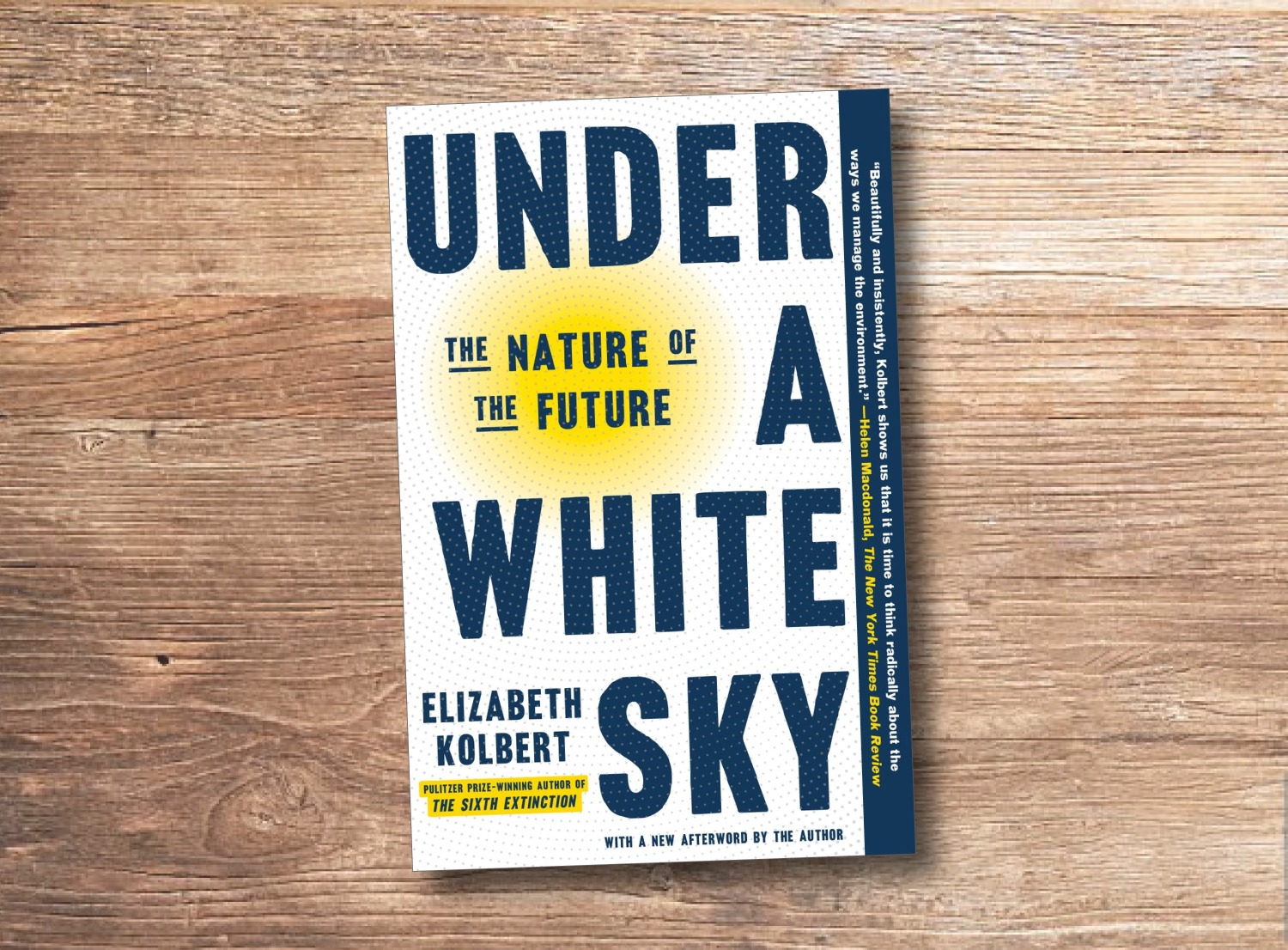
A close look at some of the ways scientists around the world are trying to re-engineer our planet to save it. Key argument: We've come to a point where geo-engineering, while risky, is less risky than not doing it. Buy it here.

A gem from the archive
 David Bauer
The Weekly Filet archive offers more than 2800 hand-picked links since 2011, like this one. You can search by interests, explore collections or shuffle for a gem.
That's it for this week. Thanks for reading. I wish you a nice weekend and hope to see you again next Friday!
— David